


by Linda Straker

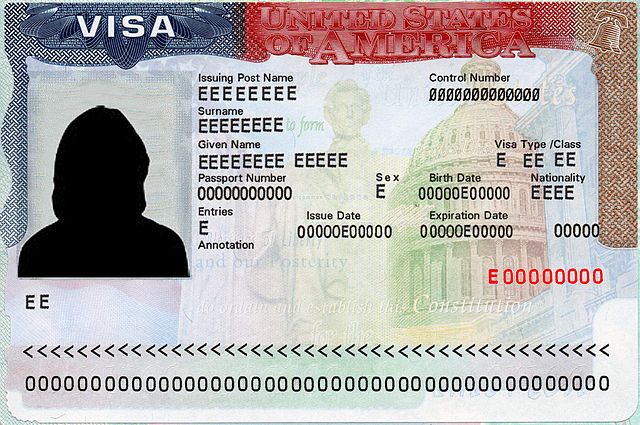
- In late February 2025, Washington announced “the expansion of an existing Cuba-related visa restriction policy”
- Minister Andall said Grenada has a legal, moral and ethical obligation to stand by the people of Cuba
- US State Department announced visa restrictions on Government officials and their families
Press Secretary Neila Ettienne said that Grenada has yet to receive formal correspondence from the Trump Administration about the decision to impose visa restrictions on Government officials and their families, as announced in a statement on the US State Department website on 13 August 2025.
“We do not know who is affected as yet, but our ambassador in Washington is working on this, and we will provide information when we get an update. To date, no formal correspondence has been received about that at our embassy in Washington,” said Ettienne when asked to provide the names of the officials who are immediately affected.
The Ministry of Foreign Affairs, in a statement on 14 August, said that the Government has taken note of the recent press statement issued by the United States Department of State and assured that diplomatic channels are being used to address the matter. “The Ministry of Foreign Affairs is actively engaged with the authorities of the United States, through established diplomatic channels, in addressing this matter. We assure the people of Grenada that your government is attending to this situation with the utmost responsibility and in the best interests of our nation.”
“We urge the public to be guided by official information issued by the Ministry of Foreign Affairs, as we will provide further updates as appropriate,” said the statement disseminated via the Government Information Service (GIS) and posted on the Facebook page of Prime Minister Dickon Mitchell.
In its statement of 13 August, the US State Department said that it had taken steps to impose visa restrictions on African, Cuban, and Grenadian government officials, and their family members, for their complicity in the Cuban regime’s medical mission scheme in which medical professionals are ‘rented’ by other countries at high prices and most of the revenue is kept by the Cuban authorities.
The statement said, “This scheme enriches the corrupt Cuban regime while depriving the Cuban people of essential medical care,” and referred to the medical professionals as working for their slave masters. “The United States continues to engage governments and will take action as needed to bring an end to such forced labour. We urge governments to pay the doctors directly for their services, not the regime slave masters.”
The statement said that the United States aims to support the Cuban people in their pursuit of freedom and dignity and promote accountability for those who perpetuate their exploitation. “We call on all nations that support democracy and human rights to join us in this effort to confront the Cuban regime’s abuses and stand with the Cuban people.”
In late February 2025, US Secretary of State Marco Rubio said Washington was announcing “the expansion of an existing Cuba-related visa restriction policy that targets forced labour linked to the Cuban labour export programme.” “This expanded policy applies to current or former Cuban government officials, and other individuals, including foreign government officials, who are believed to be responsible for, or involved in, the Cuban labour export programme, particularly Cuba’s overseas medical missions.”
Foreign Affairs Minister Joseph Andall told Parliament, while contributing to the 2025 budget debate in March 2025, that Grenada has a legal, moral and ethical obligation to stand by the people of Cuba because of the significant contribution to the island’s healthcare system.
“Our health infrastructure will collapse without the generous intervention of Cuba, and for that we must always take a principled stand,” he said.
There are over 100 Cuban doctors and other healthcare professionals employed in both the public and private healthcare systems. Some of those who are contracted to work in the public sector through a bilateral agreement are required to send back no more than 30% of their income to the Cuban government as remittance.
Continue Reading