


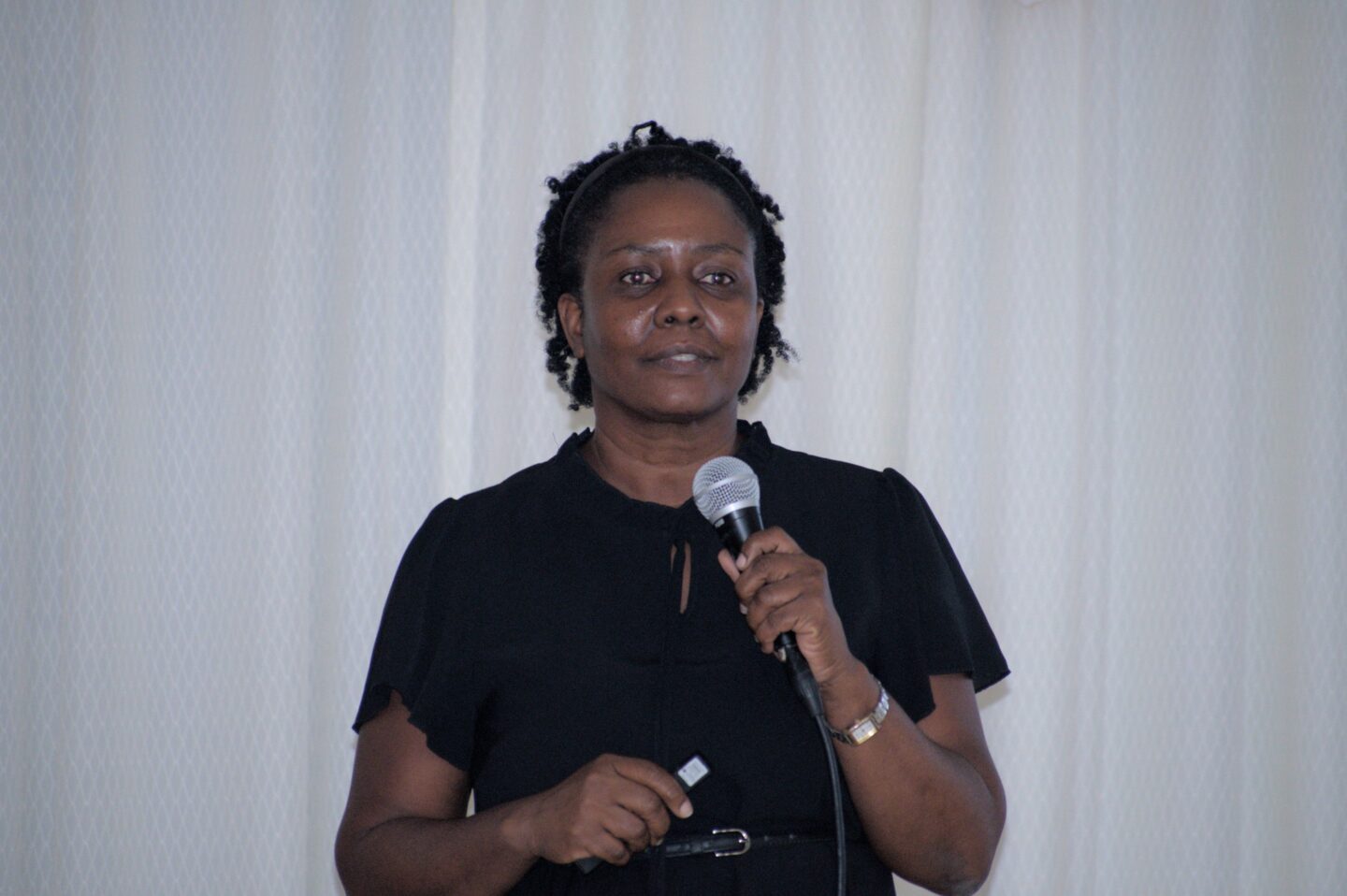

by Renee Thomas-Venugopal, MPH
Healthcare practitioners, policymakers, and regional experts gathered on Wednesday, 8 October, for a Scoping Meeting on Cancer Policy for the Caribbean, marking a key step toward advancing a coordinated regional approach to cancer prevention and control in the region.
The meeting, convened by the Caribbean Cancer Portal (CCP) in collaboration with government and non-governmental partner organisations in the OECS countries, brought together representatives from the private health sector, ministries of health, civil society health organisations, academic institutions, and health authorities to review the current policy landscape and identify priorities for action.
Cancer remains one of the leading causes of death in the Caribbean, with rising incidence and mortality rates driven by preventable factors such as tobacco use, unhealthy diets, alcohol consumption, physical inactivity, and environmental factors. Despite progress in areas such as screening and palliative care, significant gaps persist in policy implementation, access to treatment, and data for decision-making.
During the session, participants discussed the need for:
- Strengthened national cancer control plans aligned with global and regional frameworks
- Improved access to affordable cancer diagnostics and treatment services
- Greater investment in cancer surveillance, research, and data systems
- Enhanced collaboration between governments, private healthcare facilities, and development partners to drive sustainable change
“The scoping meeting is a crucial first step in developing a comprehensive Caribbean Cancer Policy Framework,” said Dr Lindonne Telesford, Associate Professor at St George’s University and Co-Founder of the Caribbean Cancer Portal.
Dr Horace Cox, Director of Surveillance, Disease Prevention and Control Division at the Caribbean Public Health Agency (CARPHA), emphasised the urgency of regional collaboration: “Cancer is the leading cause of death in the Caribbean and has a major impact on health and development of the region,” he said. “There is an urgent need for strategic and intentional action; therefore, it is important that as a community we come together to think of how we can address the same.”
Echoing this commitment, Dr Taraleen Malcolm, Advisor for Noncommunicable Diseases and Mental Health at the Pan American Health Organisation (PAHO) for Barbados and the Eastern Caribbean Countries, added, “On behalf of PAHO, I thank you for your dedication and partnership in advancing cancer prevention and control. I know together, through informed policies and sustained action, we can make a significant impact in strengthening cancer prevention and control programmes in each and every one of our countries and member states.”
Outcomes from the meeting will inform the development of a Caribbean Cancer Policy Roadmap to guide future action, advocacy, and partnerships aimed at reducing cancer-related morbidity and mortality in the region.
For more information, contact Dr Lindonne Telesford, St George’s University (SGU) and the Windward Islands Research and Education Foundation (WINDREF). Email: [email protected].