



– Advertisement –
By Sharon N Simon
[email protected]
It begins with a scratchy throat. Then comes the persistent cough, the skin rashes, and the chronic fatigue. For hundreds of public servants across Antigua and Barbuda, the workplace has ceased to be a space of productivity and has instead become a source of physical danger. Throughout 2025, a crisis of “sick buildings” has swept through government ministries, sparking protests, sit-ins, and urgent warnings from health and legal experts.
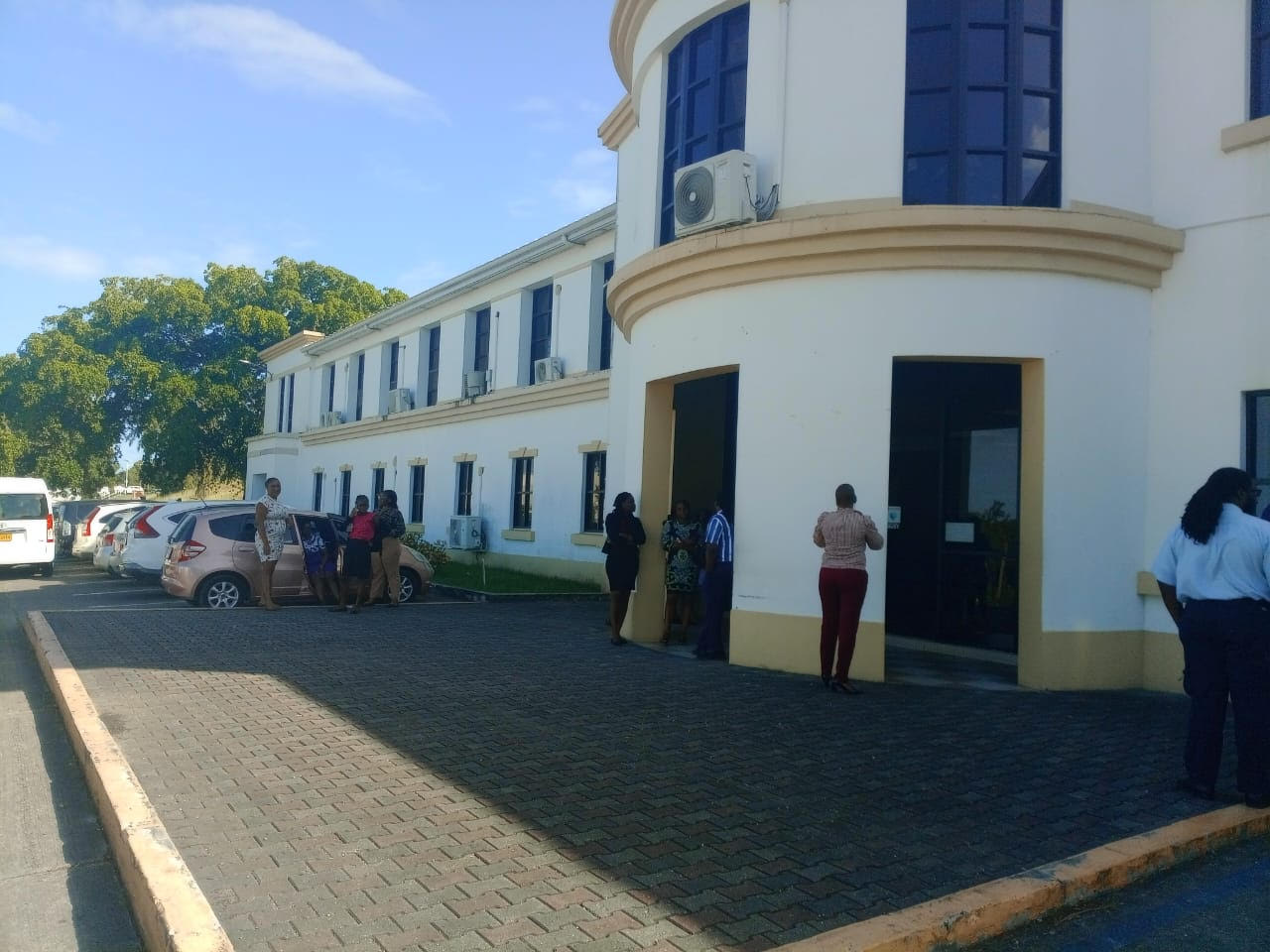
Workers at the Ministry of Tourism, Agriculture and Education report recurring chest pains and other symptoms consistent with prolonged exposure to fungal contaminants. They have all recently staged industrial action, citing years of exposure to mold, inadequate ventilation, and deteriorating workspaces. Employees described persistent air-quality issues and limited protective gear, with some facilities reportedly showing visible fungal growth.
According to Captain Javonson Willock, a Human Resources Consultant, these conditions constitute a clear breach of the Antigua and Barbuda Labour Code. Willock points to Section D-10, which mandates that employers must provide adequate ventilation and maintain a clean state. Former Chief Health Inspector Lionel Michael agrees, noting that years of complaints have largely been ignored. The legal ramifications are severe: failing to protect employees could result in High Court claims attracting “significant sums in damages.”


The tragedy is that the government has been officially aware of these deficiencies for years. A July 2019 Cabinet Note revealed that the government’s own Chief Chemist and a Chemical Engineer identified the specific root causes now at the heart of the 2025 crisis. The experts noted that air conditioning systems, their fiberglass ducts and lack of maintenance contribute to making several buildings “somewhat unhealthy.” In a humid, tropical climate, these systems create the perfect environment for mold and microbial growth.
As far back as 2019, there was a plan to measure air quality in all public buildings and develop specialized oversight. These actions appear to have stalled, leading directly to the current emergency.
While the government has frequently resorted to deep cleaning and repainting, experts warn these are cosmetic bandages on a festering wound. Lionel Michael issued a stark warning: “The easy fix does not work. You can’t just mask the odor or symptoms; you have to eliminate the source.” He dispelled the common myth that air conditioning equates to ventilation, explaining, “It cools and recirculates the same air—it does not bring in fresh air or expel stale air.”
Frustration has boiled over into action. Workers at the Ministry of Tourism were sent home in mid-November after testing finally deemed the building uninhabitable; union representatives allege officials knew about it for a year. Health staff at Browne’s Avenue Clinic staged a sit-in, vowing to continue until a proper solution is found for the leaks, termites, and flooding in their facility. Several offices in other ministries have been placed on half-day schedules, a temporary measure, unions argue, does little to reduce exposure.
Health authorities have conducted air-quality assessments in some buildings, but workers say findings are seldom shared with staff, fuelling frustration among employees who say they are entitled to know whether their workplace is safe.
On November 27, 2025, the Cabinet made several decisions directly addressing the crisis. The government mandated a full review of all 400 government-owned and government-occupied buildings across the country, to be conducted by the Ministry of Works in collaboration with the Department of Analytical Services and the Development Control Authority.
The assessment will specifically review structural integrity, ventilation and air-quality systems, leaks, mold growth, and other factors affecting employee health. The stated goal is to identify, repair, renovate, or upgrade buildings, including modernizing ventilation systems, arresting leaks, and stopping mold growth to foster healthier, more productive workplaces.
Cabinet also agreed that a proposed new building code will be submitted to Parliament in the first quarter of 2026, incorporating updated standards for air quality, structural safety, ventilation, and health-oriented design. Additionally, a special maintenance fund was formally established, dedicated solely to the upkeep and maintenance of government buildings—a direct response to criticism that inadequate maintenance has been the root cause of the crisis.
However, trust remains low among workers. The diagnosis is clear: the buildings are sick, and whether the government’s comprehensive plan will succeed where “quick fixes” have failed, remains to be seen.
About The Author

– Advertisement –