


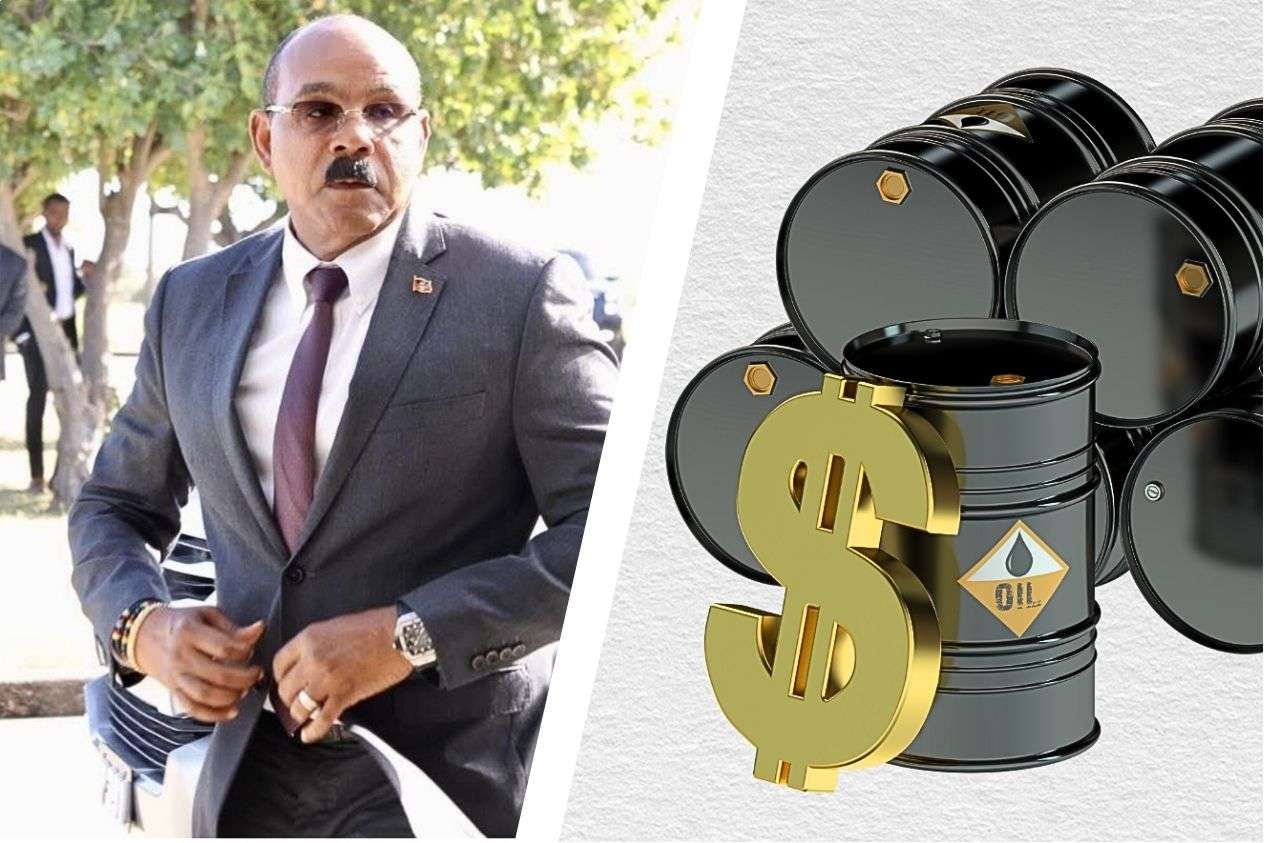
According to the figures cited, some islands such as Anguilla and Saint Lucia record significantly higher LPG prices for both 20-pound and 100-pound cylinders, while Antigua and Barbuda remains among the lower-priced jurisdictions within the subregion.
Browne said the government has achieved this by reducing the amount it collects in consumption tax on fuel in order to maintain price stability.
“We have decided to take less taxes to maintain stability in the pricing,” he said. “You know exactly what you would have paid for fuel over the last three years. We haven’t changed the prices even though global prices have been fluctuating.”
He added that during periods when international fuel prices spiked — particularly during the war in Ukraine, the government absorbed losses rather than passing the full increase on to consumers.
Browne cautioned, however, that if global conflicts or supply disruptions continue to push prices upward, the government may eventually have to adjust fuel prices.
“I hope it doesn’t get to that stage, but up to this point the government is committed to continue subsidizing the prices by reducing the amount we collect in consumption tax,” he said.
The Prime Minister stressed that the approach is intended to provide predictability and stability for consumers and businesses in Antigua and Barbuda while the country navigates ongoing global economic pressures.