


by Curlan Campbell
- Grenada secured just under US$500,000 in private sector commitments
- Initiative targets foundational learning at primary level
- Technical team conducted preliminary visits to schools across Grenada, engaging stakeholders
Concerning data indicating that more than one-third of students performing at the Minimum Competency Test level fall below required standards, prompted the Ministry of Education to provide intervention. According to Minister for Education Hon. David Andrew this has far-reaching implications for students wishing to pursue future educational attainment, employment prospects, and overall quality of life.
As a result, a major national push to improve literacy among young learners is set to begin later this year, as the Government deepens collaboration with regional and international partners, Minister Andrew announced during today’s Post-Cabinet Briefing. The initiative, which targets foundational learning at the primary level, is being developed in partnership with SUMMA, a leading education research and innovation laboratory in Latin America and the Caribbean. The programme aims to ensure that all students from kindergarten to Grade 4 acquire essential reading and writing skills.
Minister Andrew emphasised that the programme is focused on strengthening early literacy to prevent long-term academic challenges. “By ensuring that students can read, write, and comprehend at the primary level, we reduce the need for remedial interventions later in their education journey.”
The literacy programme builds on the Antigua Commitment to Literacy, a regional framework developed by education ministers from 11 Latin American and Caribbean countries in collaboration with SUMMA and the Organisation of Eastern Caribbean States (OECS).
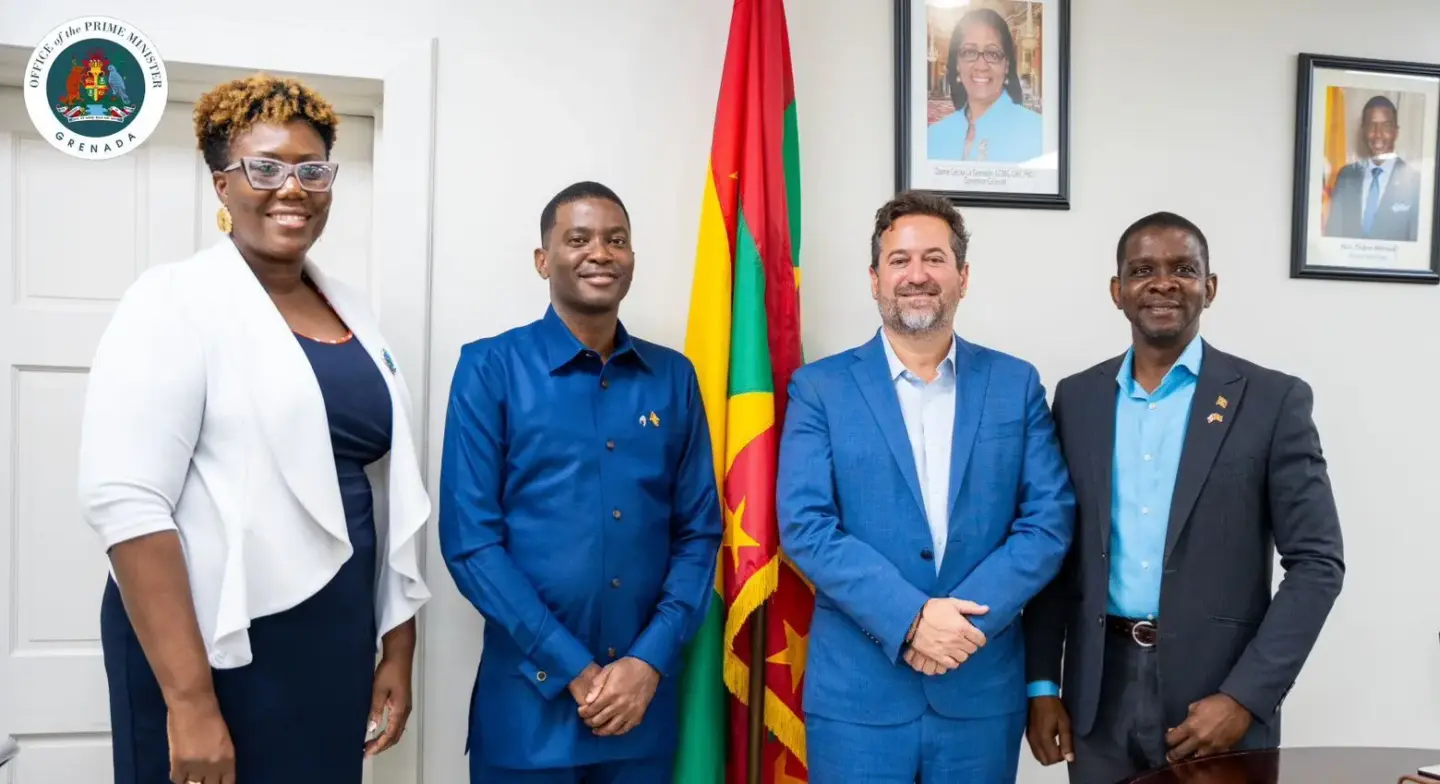
In February 2026, SUMMA’s Director Javier González met with Prime Minister Dickon Mitchell, Minister Andrew, and Permanent Secretary Lorraine St Louis-Nedd to advance the design and promotion of the programme. A technical team has already conducted preliminary visits to schools across Grenada, engaging stakeholders and laying the groundwork for implementation. Central to the initiative will be comprehensive teacher training and curriculum redesign tailored to regional needs. The programme will introduce modern methodologies aimed at improving how foundational skills are taught and acquired.
The collaboration is expected to run between 3 and 6 years, with a planned rollout beginning in September 2026.
The minister also highlighted significant financial support for the initiative, including a partnership with the Global Partnership for Education. Through this arrangement, funds raised locally from private sector partners will be matched dollar-for-dollar by the global organisation.
To date, Grenada has secured just under US$500,000 in private sector commitments. This puts the country halfway toward its initial fundraising target of US$1 million, with the potential to access up to US$2 million in matched funding.
“We are extremely encouraged by the level of support from our private sector partners,” Minister Andrew said, noting that Grenada’s efforts have drawn international attention as a potential model for similar small states.
While additional fundraising is ongoing, the minister expressed optimism about the programme’s long-term impact. “The future is bright,” he said. “By investing in foundational learning now, we are positioning our students — and our country — for better outcomes in education and beyond.”
The Ministry of Education is expected to continue stakeholder engagement and resource mobilisation efforts in the coming months as it prepares for the programme’s official launch.