


Title:
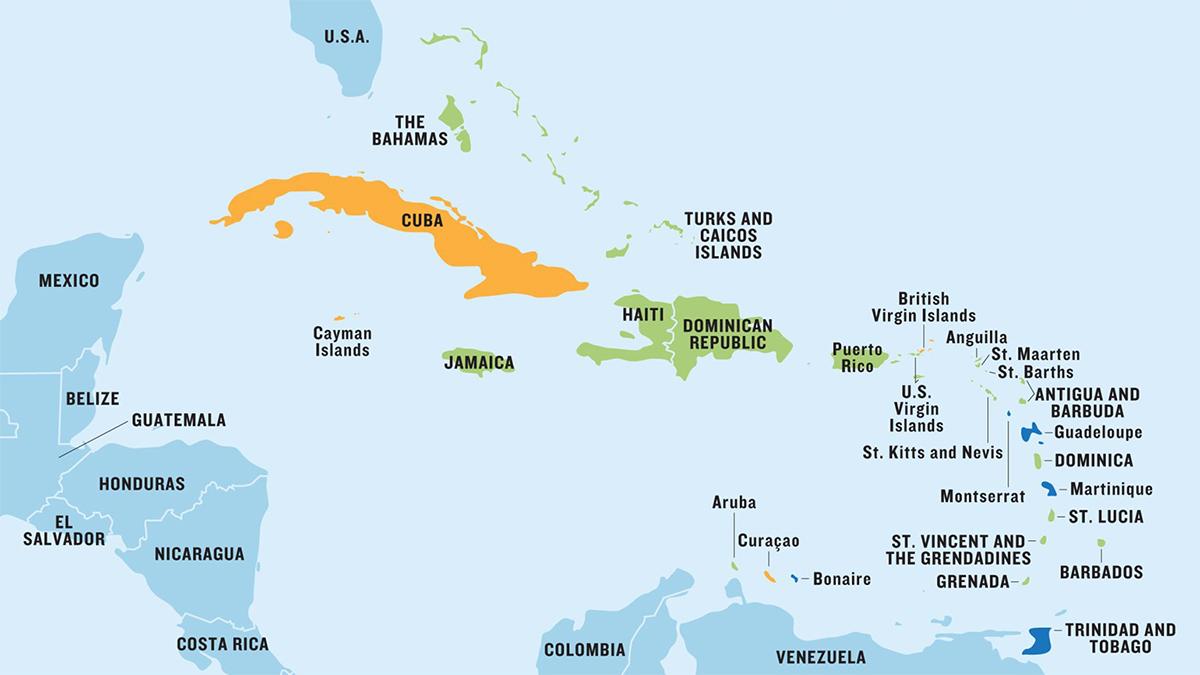
In an increasingly interconnected world, the influence of Caribbean diaspora authors is resonating far beyond the shores of their home islands. As literary voices emerge from diverse backgrounds and experiences, these writers are redefining narratives and enriching the global literary landscape with fresh perspectives. From the evocative prose of established figures to the groundbreaking works of emerging talents, Caribbean authors are weaving stories that challenge conventions, explore identity, and address pressing social issues. This article delves into the contributions of these influential writers, examining how their unique cultural heritage and transnational experiences are shaping not only contemporary literature but also conversations about race, migration, and belonging on a global scale. As their works gain traction on international stages, the impact of Caribbean diaspora authors is undeniable, marking a pivotal moment in the evolution of world literature.
Table of Contents
- The Impact of Caribbean Narratives on Global Literature
- Exploring Themes of Identity and Migration in Caribbean Diaspora Works
- Prominent Caribbean Authors Redefining Literary Genres
- Fostering Cross-Cultural Connections Through Caribbean Literature
- In Retrospect
The Impact of Caribbean Narratives on Global Literature
Caribbean narratives have increasingly garnered attention in the global literary landscape, serving as a vibrant canvas that paints the complex cultural, historical, and social tapestry of the region. Through their evocative storytelling, Caribbean authors explore themes of identity, displacement, and resilience, often reflecting their own experiences within the expansive diaspora. The works of these writers amplify voices that have traditionally been marginalized, allowing readers worldwide to engage with diverse perspectives. As they redefine literary conventions, they push against the boundaries of genre, blending elements of historical fiction, magical realism, and poetry to create unique literary experiences that resonate across borders.
Considerable contributions from authors such as Derek Walcott, Edwidge Danticat, and Kamau Brathwaite have redefined what literature means within not just a Caribbean context but also on a global stage. These authors skillfully engage with issues such as colonialism, migration, and cultural hybridity, inviting readers into a dialog about the past and its relevance in today’s world. Their narratives encourage an exchange of ideas and foster a sense of community among diverse audiences. The infusion of Caribbean voices into the global literary discourse not only deepens the understanding of Caribbean cultures but also enriches the broader literary landscape by emphasizing the urgency of diverse storytelling.
| Author | Key Themes | Notable Works |
|---|---|---|
| Derek Walcott | Post-colonial identity, heritage | Dissidence, Omeros |
| Edwidge Danticat | Immigration, family, trauma | Breath, Eyes, Memory |
| Kamau Brathwaite | Cultural dislocation, oral traditions | The Arrivants, Ancestors |
Exploring Themes of Identity and Migration in Caribbean Diaspora Works
The interplay of identity and migration remains a profound theme in the works of Caribbean diaspora authors, who navigate the complexities of belonging and displacement. These narratives often draw upon the historical context of colonialism and the ongoing struggles for cultural preservation amid global influences. Authors like Edwidge Danticat and Junot Díaz not only encapsulate their personal experiences but also highlight the collective memory of their communities, emphasizing how migration shapes identities both in terms of self-perception and wider community recognition.
In these literary explorations, the motifs of home, heritage, and hybridity emerge as powerful elements. Through their writing, Caribbean authors engage in a dialog about their diasporic identities, reflecting on how their cultural roots intertwine with the realities of their new environments. The following table illustrates key works and their thematic focuses:
| Author | Work | Themes |
|---|---|---|
| Edwidge Danticat | Breath, Eyes, Memory |
|
| Junot Díaz | The Brief Wondrous Life of Oscar Wao |
|
| Shivanee Ramlochan | Everyone Knows I Am a Good Girl |
|
Prominent Caribbean Authors Redefining Literary Genres
The Caribbean literary scene is experiencing a dynamic reimagining as authors from the diaspora fuse traditional narratives with innovative styles. Writers such as Edwidge Danticat, Junot Díaz, and Samantha Shannon are not just telling stories but are transforming genres by incorporating elements of magical realism, historical fiction, and digital storytelling. By weaving rich cultural tapestries, they challenge stereotypes and showcase the depth of Caribbean history and identity. Their works often explore themes of migration, identity, and resilience, resonating with a global audience while remaining firmly rooted in their Caribbean heritage.
These prominent figures not only present fresh perspectives but also inspire a new wave of writers who are actively redefining what Caribbean literature can achieve. Authors like Annie John’s Kincaid and Nalo Hopkinson delve into speculative fiction and fantasy, drawing on Caribbean folklore and traditions. This genre blending creates a unique narrative style that captivates readers. Below is a table showcasing some of these influential authors along with their hallmark works:
| Author | Notable Works | Genre |
|---|---|---|
| Edwidge Danticat | The Farming of Bones, Breath, Eyes, Memory | Historical Fiction |
| Junot Díaz | The Brief Wondrous Life of Oscar Wao | Magical Realism |
| Nalo Hopkinson | Midnight Robber | Speculative Fiction |
Fostering Cross-Cultural Connections Through Caribbean Literature
The vibrant tapestry of Caribbean literature serves as a conduit for fostering understanding and empathy across cultural boundaries. As Caribbean diaspora authors craft narratives steeped in their unique experiences, they invite readers into worlds that resonate with universal themes, such as identity, belonging, and resilience. By intertwining personal stories with broader societal issues, these writers not only maintain a connection to their heritage but also challenge preconceived notions about the Caribbean region. Their works often reflect a blend of influences, showcasing the complexities of post-colonial identities and the nuanced realities faced by those in the diaspora.
Influential Caribbean authors are increasingly gaining global recognition, catalyzing discussions that extend beyond literature to include social and political contexts. Notable contributions from these writers can be categorized into several key themes:
- Cultural Hybridity: Exploring the intersections of multiple cultures and the richness that diversity brings.
- Historical Narratives: Delving into colonial legacies and their impact on modern society.
- Migration Experiences: Addressing the challenges and triumphs of navigating life between different worlds.
| Author | Notable Work | Theme |
|---|---|---|
| Edwidge Danticat | Breath, Eyes, Memory | Migration & Identity |
| Jamaica Kincaid | Lucy | Cultural Hybridity |
| Chinua Achebe | Things Fall Apart | Colonial Legacy |
In Retrospect
As we reflect on the profound impact of Caribbean diaspora authors in shaping global literary landscapes, it becomes increasingly clear that their narratives are not just stories; they are vital contributions to the rich tapestry of human experience. Through diverse themes ranging from identity and resilience to cultural heritage and socio-political discourse, these writers are breaking barriers and bridging gaps between communities worldwide. Their works resonate with a universal audience, appealing to shared human emotions while maintaining a distinct Caribbean voice.
In an era where stories matter more than ever, the contributions of Caribbean authors illuminate the power of literature to forge connections across cultures and spark critical conversations. As we celebrate their achievements and the vibrant literary heritage they represent, it is imperative for readers, scholars, and institutions to continue supporting and amplifying these voices. By doing so, we not only honor the legacies of these remarkable writers but also ensure that the rich narratives of the Caribbean diaspora continue to influence and inspire future generations in the global literary canon.