


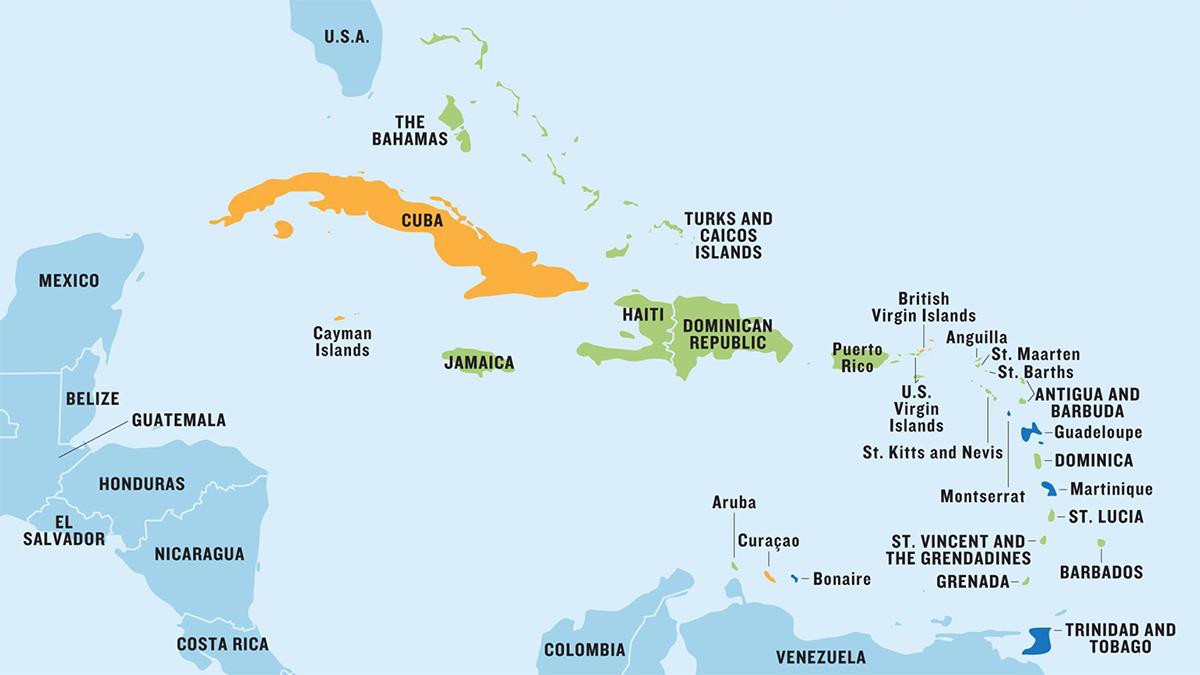
In a world increasingly characterized by global movements and transnational identities, the Caribbean diaspora has emerged as a potent force advocating for equal rights and representation. As communities spread across various continents, Caribbean nationals continue to forge strong connections with their countries of origin while simultaneously addressing the unique challenges they face in their host nations. This article delves into the inspiring efforts of Caribbean diaspora leaders and organizations fighting for social justice, political representation, and equitable treatment in regions where they reside. By examining recent initiatives, advocacy campaigns, and the resilience of individuals within the diaspora, we highlight the vital role these champions play in shaping both local policies and international dialogues related to equality and human rights. As they navigate complex cultural landscapes, Caribbean diaspora activists are not only amplifying their voices but also fostering a more inclusive and representative society for generations to come.
Table of Contents
- Caribbean Diaspora Advocates for Comprehensive Policy Reform to Enhance Equal Rights
- Strengthening Representation through Grassroots Mobilization and Community Engagement
- Leveraging Education and Economic Empowerment for Sustainable Progress in Diaspora Communities
- Fostering International Alliances to Amplify Voices and Address Systemic Inequalities
- Future Outlook
Caribbean Diaspora Advocates for Comprehensive Policy Reform to Enhance Equal Rights
The Caribbean Diaspora is stepping up in a powerful call for change, pushing for comprehensive policy reform aimed at advancing equal rights and representation across the region. Advocates argue that current frameworks often neglect the unique challenges faced by marginalized communities within these vibrant cultures. As the diaspora unites, they emphasize the need for policies that not only address historical injustices but also promote socioeconomic opportunities, ensuring that all members of the community can thrive. Key issues include:
- Anti-discrimination laws: Establishing robust legal protections for marginalized groups.
- Access to education: Ensuring equitable opportunities for all children, regardless of background.
- Health care equality: Addressing disparities in health services, particularly in remote areas.
Moreover, the advocacy movement is gaining momentum, highlighted by grassroots campaigns and international dialogues aiming to amplify the voices of Caribbean citizens abroad. With a strong emphasis on unity and collaboration, diaspora leaders are rallying community members to participate in the political process, urging them to engage with local representatives to push for changes that resonate with the collective needs of the diaspora. A recent survey sheds light on the priorities of community members:
| Policy Area | Percentage of Support |
|---|---|
| Anti-discrimination measures | 85% |
| Healthcare access | 78% |
| Education reforms | 72% |
Strengthening Representation through Grassroots Mobilization and Community Engagement
The Caribbean Diaspora is emerging as a powerful force in advocating for equal rights and enhanced representation. This movement is igniting passion among community members who understand that real change begins at the grassroots level. Through strategic engagement and localized initiatives, advocates are working tirelessly to ensure every voice is heard. Mobilization efforts include:
- Community Workshops: Educating members on their rights and the importance of representation.
- Networking Events: Building connections among community leaders and fostering collaboration.
- Awareness Campaigns: Utilizing social media and traditional platforms to spread the message.
Furthermore, the importance of establishing connections with local policymakers cannot be overstated. By creating a dialog between communities and their representatives, the Diaspora leaders are ensuring that specific needs are addressed. An effective way to visualize this collaborative approach is through the following table, which outlines an example of initiatives already underway:
| Initiative | Goal | Target Audience |
|---|---|---|
| Legal Rights Seminar | Educate migrants on labor rights | Workers & Employers |
| Cultural Festivals | Promote Caribbean heritage | Local Community |
| Advocacy Day | Engage with elected officials | Community Leaders |
Leveraging Education and Economic Empowerment for Sustainable Progress in Diaspora Communities
In recent years, Caribbean diaspora communities have increasingly recognized the critical role of education and economic empowerment in advancing their collective interests. By fostering educational initiatives that cater to both children and adults, these communities are laying the groundwork for sustainable progress. Programs that prioritize STEM education, vocational training, and scholarships are essential for nurturing a skilled workforce capable of navigating the complexities of today’s global economy. Furthermore, partnerships with local institutions and businesses in the Caribbean can help to create bridges between diasporic populations and their homeland, ensuring a two-way exchange of knowledge and resources.
Economic empowerment initiatives are equally vital, focusing on access to financing, entrepreneurship, and job creation. Empowering diaspora individuals through microfinance programs and mentorship opportunities enables them to establish businesses that not only uplift their families but also contribute to the broader community. To illustrate this synergy between education and economic advancement, consider the following key areas of impact:
| Area of Impact | Description |
|---|---|
| Educational Accessibility | Enhanced opportunities for all ages to pursue education. |
| Skills Training | Equipping individuals with necessary trades and skills. |
| Financial Literacy | Teaching assets management and investment strategies. |
| Entrepreneurial Support | Resources and guidance for starting and growing businesses. |
Through these initiatives, diaspora communities are not only showcasing their commitment to equal rights and representation but are also paving the way for a more equitable future. By investing in education and economic empowerment as foundational pillars, these communities can inspire future generations to actively engage in their temporal and spatial roots, fostering pride and resilience across borders.
Fostering International Alliances to Amplify Voices and Address Systemic Inequalities
The Caribbean diaspora plays a pivotal role in championing equal rights and representation through the creation of strategic international alliances. By forging partnerships with global organizations, civil society, and activist networks, diaspora communities amplify their voices and address the systemic inequalities that have historically marginalized them. These alliances serve as platforms for advocacy, showcasing shared experiences and uniting diverse perspectives to influence policy reforms and promote inclusivity across borders.
Efforts to foster understanding and solidarity among various stakeholders are crucial in combating social injustices in the Caribbean and beyond. Key strategies include:
- Collaborative Advocacy: Joint initiatives that tackle common issues, such as climate change, poverty, and education.
- Cultural Exchange Programs: Initiatives that celebrate Caribbean heritage while raising awareness about socio-economic challenges.
- Research and Data Sharing: Utilizing empirical evidence to inform policy-making and advocate for rights.
Through these concerted efforts, the Caribbean diaspora not only strengthens its advocacy for equitable representation but also plays a crucial role in redirecting the global discourse on systemic challenges faced by marginalized communities.
Future Outlook
the Caribbean diaspora has emerged as a vital force advocating for equal rights and representation, reflecting a commitment to social justice and community empowerment. Through their collective efforts, they not only honor their heritage but also work tirelessly to address the challenges faced by marginalized groups both within and outside their home countries. As champions of equality, these individuals and organizations are making significant strides in fostering inclusive policies and practices. Moving forward, their continued advocacy is essential in shaping a more equitable future, ensuring that the voices of all Caribbean people are heard and valued on global platforms. As we observe these developments, it is imperative for policymakers, community leaders, and citizens alike to support and amplify the efforts of the Caribbean diaspora, recognizing their crucial role in the ongoing fight for justice and representation.