


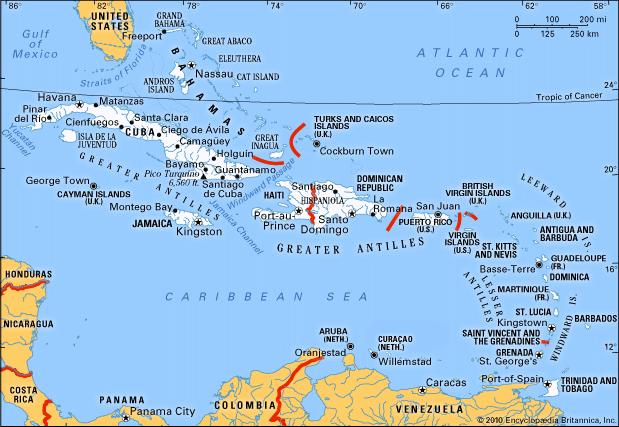
As the Caribbean navigates the complex aftermath of global economic disruptions, the challenge of rising unemployment is at the forefront of governmental agendas across the region. In response to a pressing need for sustainable employment opportunities, Caribbean nations are implementing innovative strategies aimed at revitalizing their economies and providing job security for their citizens. This article explores the multifaceted approaches being adopted, from the promotion of entrepreneurship and investment in green technologies to targeted vocational training initiatives. As governments forge new paths to stimulate job creation amid evolving labor market demands, the emphasis on collaboration between public and private sectors is becoming increasingly vital. Understanding these strategic efforts not only sheds light on the resilience of Caribbean economies but also highlights the commitment of local leaders to empower their communities and drive inclusive growth in a rapidly changing world.
Table of Contents
- Caribbean Governments Innovate Talent Development Programs to Combat Unemployment
- Strengthening Public-Private Partnerships for Job Creation in the Caribbean
- Exploring Sustainable Economic Diversification as a Solution to Unemployment
- Leveraging Technology and Entrepreneurship to Foster Job Growth in the Region
- In Conclusion
Caribbean Governments Innovate Talent Development Programs to Combat Unemployment
In a concerted effort to tackle the persistent issue of unemployment, Caribbean governments are launching a variety of innovative talent development programs aimed at equipping the workforce with essential skills. By aligning educational curricula with industry needs, these initiatives seek to foster a more adaptable labor force capable of meeting the demands of emerging sectors such as tourism, technology, and sustainable energy. Key elements of these programs include:
- Vocational Training Workshops: Hands-on training sessions designed to enhance practical skills.
- Partnerships with Private Sector: Collaboration with businesses to create internship opportunities and job placements.
- Online Learning Platforms: Development of accessible e-learning modules to widen participation.
Additionally, regional governments are focusing on tailored programs that promote entrepreneurship among young people, recognizing that self-employment can be a viable pathway to economic stability. Some of the noteworthy strategies include:
- Business Incubation Centers: Facilities offering mentorship, resources, and networking for startups.
- Microfinance Initiatives: Financial support for aspiring entrepreneurs to kickstart their businesses.
- Skills Competitions: Events designed to showcase and reward talent while encouraging skill development.
Strengthening Public-Private Partnerships for Job Creation in the Caribbean
As Caribbean nations grapple with persistent unemployment rates, public-private partnerships (PPPs) are emerging as a vital strategy for fostering job creation and economic growth. These collaborations leverage the strengths of both sectors, enabling governments to tap into the innovative capacities and resources of private enterprises. By integrating private investments in crucial sectors such as tourism, renewable energy, and technology, governments can stimulate local economies and create sustainable employment opportunities. Moreover, engaging with private companies allows for the development of tailored training programs, aligning the skills of the workforce with the demands of the market.
The implementation of successful PPPs hinges on a transparent framework that encourages stakeholder participation and facilitates the flow of resources. Partnerships can be structured around several key initiatives, including:
- Joint ventures in emerging industries to drive innovation.
- Skill development programs to equip the workforce with necessary competencies.
- Investment incentives that attract private sector involvement.
Collaborative efforts also necessitate regular evaluation and accountability measures to ensure that both public and private partners benefit equitably. A recent analysis of partnerships at play in the region, illustrated in the table below, highlights significant projects that have effectively contributed to employment gains:
| Project Name | Sector | Jobs Created | Investment ($ Million) |
|---|---|---|---|
| Tourism Development Initiative | Tourism | 1,200 | 50 |
| EcoEnergy Program | Renewable Energy | 800 | 30 |
| Tech Skills Academy | Technology | 600 | 15 |
This data underscores the potential impact of well-structured public-private partnerships in addressing unemployment and fostering economic resilience in the Caribbean. By continuing to explore innovative collaboration models, the region can work towards a more prosperous future for its workforce.
Exploring Sustainable Economic Diversification as a Solution to Unemployment
As Caribbean nations grapple with persistent unemployment rates exacerbated by economic shocks, sustainable economic diversification emerges as a vital strategy to revitalize job markets. Governments are increasingly recognizing that relying on traditional industries, such as tourism and agriculture, may no longer suffice in an era of global volatility. By investing in diverse sectors, policymakers can cultivate resilience and create new job opportunities. The focus on green technologies, digital services, and creative industries could not only absorb a portion of the workforce but also align with global sustainability goals, fostering long-term economic health.
Effective implementation of these strategies requires a collaborative approach among various stakeholders, including government entities, private sector players, and community organizations. A multifaceted plan may encompass activities such as:
- Investment in Education and Training: Upskilling the workforce to meet the demands of emerging industries.
- Incentives for Small and Medium Enterprises (SMEs): Providing financial support and resources to stimulate local entrepreneurship.
- Promotion of Renewable Energy: Encouraging job creation in solar and wind energy sectors.
Moreover, the establishment of innovation hubs and technology parks can serve as incubators for new ideas, potentially directing the Caribbean towards a more vibrant and diversified economy. A recent study illustrates potential sectors for development, summarized in the table below:
| Sector | Job Creation Potential | Investment Requirements |
|---|---|---|
| Renewable Energy | High | Moderate |
| Digital Technology | Very High | High |
| Creative Arts | Moderate | Low |
By embracing these sectors, the Caribbean can turn the tide on unemployment, driving a transformation that not only addresses immediate labor market challenges but also contributes to sustainable development goals for future generations.
Leveraging Technology and Entrepreneurship to Foster Job Growth in the Region
In an effort to combat unemployment rates in the Caribbean, governments are increasingly recognizing the transformative power of technology and entrepreneurship. By investing in digital infrastructure and creative business ecosystems, they aim to create opportunities that propel both individual and regional economic growth. Key initiatives include the launch of tech incubators and startup accelerators tailored specifically for aspiring entrepreneurs. These platforms not only provide essential funding but also offer access to mentorship and networking opportunities, enabling new businesses to thrive and generate job openings.
The strategic emphasis on technology manifests through various programs aimed at skill development in high-demand areas such as software development, data analytics, and digital marketing. By facilitating partnerships between local universities and tech firms, governments are ensuring that the workforce is equipped with relevant skills to meet current market needs. Furthermore, public-private collaborations are being designed to enhance innovation and resource sharing, creating an environment where entrepreneurship can flourish. To encapsulate the potential impact, the following table outlines projected job growth in specific tech sectors:
| Tech Sector | Projected Job Growth (%) |
|---|---|
| Software Development | 25% |
| Data Analytics | 30% |
| Digital Marketing | 20% |
| Cybersecurity | 35% |
In Conclusion
as Caribbean governments navigate the complex landscape of unemployment, their innovative strategies reflect a commitment to fostering economic resilience and sustainable development. From targeted vocational training programs to partnerships with the private sector, these initiatives aim to not only reduce joblessness but also equip the workforce with the skills required for an evolving job market. As these policies take root, the impact on local economies and communities will be closely monitored, offering valuable insights that could shape future employment strategies in the region. The journey towards a more robust labor market is ongoing, yet the proactive measures currently being implemented signal a positive shift towards greater economic stability and opportunity for all Caribbean citizens.