


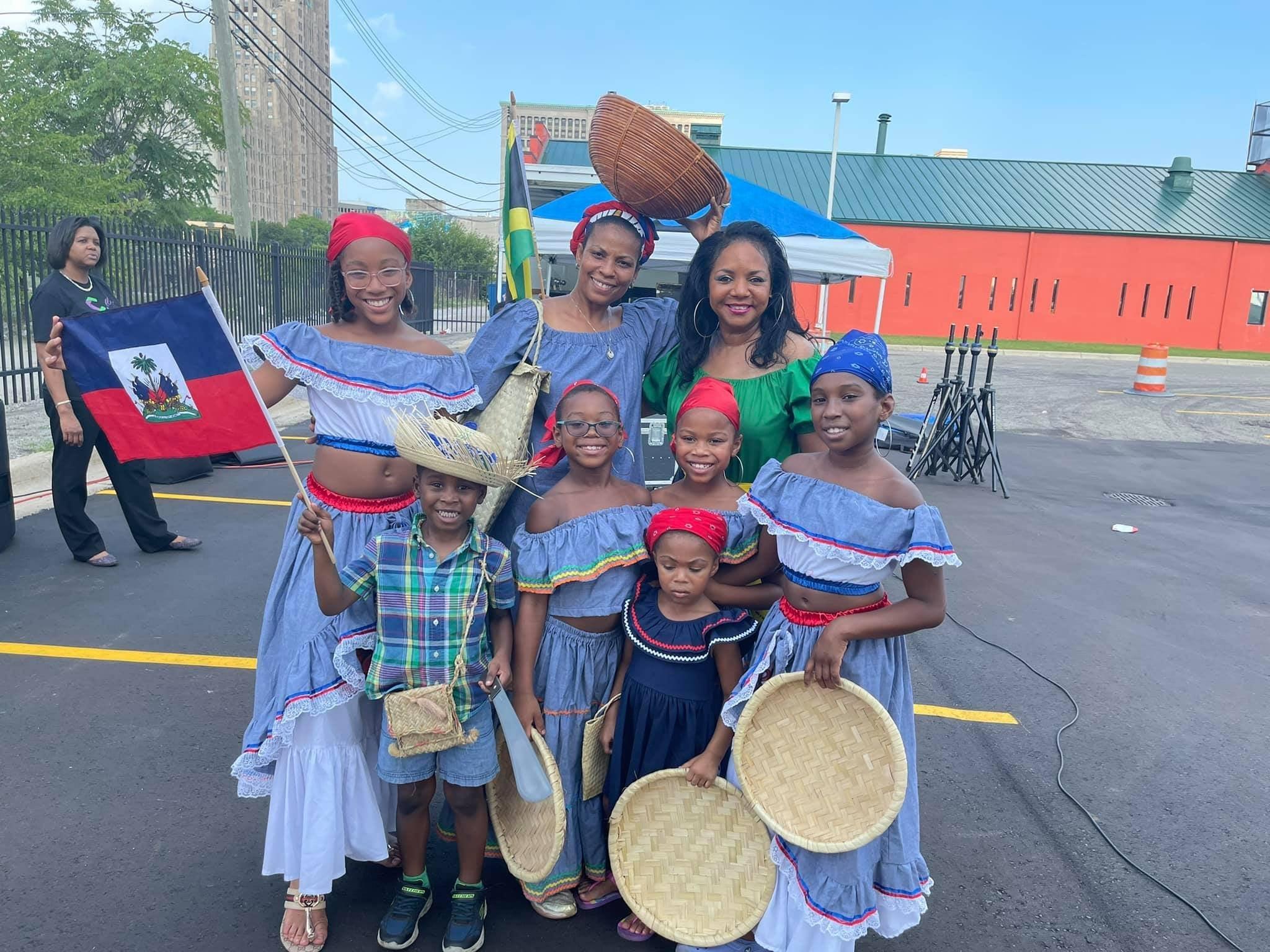
In an increasingly interconnected world, the voices of Caribbean nationals are resonating beyond the shores of their island nations, influencing global policy and governance. From the bustling halls of the United Nations to the corridors of power in major world capitals, Caribbean leaders and diplomats are making significant contributions to international discourse on pressing issues such as climate change, human rights, and economic development. This article explores the remarkable journey of Caribbean nationals as they navigate and impact the global political landscape, highlighting their achievements, the challenges they face, and the collaborative efforts that are reshaping international relations in the 21st century. As the Caribbean continues to assert its presence on the global stage, the stories of these trailblazers serve as a testament to the region’s resilience and its pivotal role in shaping a more equitable world.
Table of Contents
- Caribbean Leaders Gain Influence in International Diplomacy
- Emerging Voices: Caribbean Representation in Global Governance
- Policy Initiatives: Supporting Caribbean Nationals in Political Roles
- Strategic Partnerships: Building Alliances for Greater Impact in Global Affairs
- Future Outlook
Caribbean Leaders Gain Influence in International Diplomacy
The Caribbean region has recently witnessed a significant shift in its diplomatic landscape, with Caribbean leaders increasingly stepping into influential roles on the global stage. This newfound prominence stems from a combination of strategic partnerships, the unique cultural perspectives that Caribbean nations bring to international dialog, and the commitment of these leaders to address pressing global issues. As countries grapple with challenges such as climate change, economic inequality, and health crises, Caribbean representatives are harnessing their collective voice to advocate for sustainable solutions that resonate beyond their shores.
Key figures from the Caribbean have started to make their mark in various international organizations, ensuring that the needs and priorities of small island developing states (SIDS) are effectively articulated. Among their notable achievements are:
- Increased Participation: Caribbean nationals now occupy significant roles in bodies like the United Nations and the Commonwealth.
- Climate Advocacy: Leaders from the region have spearheaded initiatives aimed at combating climate change, emphasizing the vulnerabilities faced by island nations.
- Economic Collaboration: Strengthening ties with larger economies has led to initiatives that promote trade and investment in the Caribbean.
Emerging Voices: Caribbean Representation in Global Governance
The Caribbean region is witnessing a significant upsurge in the representation of its nationals within prominent international institutions. This shift not only underscores the capabilities of these individuals but also paves the way for a more diverse array of perspectives in global governance. Notable achievements include:
- Appointment of Caribbean diplomats to lead roles in the United Nations, emphasizing issues unique to small island nations.
- Involvement in international climate negotiations, addressing the existential threats faced by Caribbean states.
- Leadership in non-governmental organizations that advocate for social justice and sustainable development across the globe.
Furthermore, the emergence of new voices from the Caribbean has spurred collaborative initiatives with other nations, promoting unity and shared objectives. Recent advancements highlight:
| Name | Position | Focus Area |
|---|---|---|
| Marisa Thompson | Ambassador to the UN | Climate Justice |
| Jamal Roberts | Director of an International NGO | Human Rights Advocacy |
| Sophie DeLeon | Head of a Global Health Initiative | Public Health Policy |
This growing representation not only enhances the visibility of Caribbean issues on the global stage but also fosters innovative solutions that resonate beyond the region. Each appointment and initiative signifies progress towards a more equitable and inclusive approach to addressing the challenges faced by small island developing states.
Policy Initiatives: Supporting Caribbean Nationals in Political Roles
In recent years, the Caribbean has undertaken a variety of strategic policy initiatives aimed at increasing the representation of Caribbean nationals in political spheres globally. This commitment seeks not only to amplify the voices of Caribbean peoples but also to ensure their interests and concerns are reflected on larger platforms. Key elements of these initiatives include:
- Leadership Training Programs: Designed to equip aspiring politicians with essential skills to navigate the complexities of governance.
- Networking Opportunities: Facilitating connections with established political leaders and organizations, fostering mentorship and collaboration.
- Supportive Legislation: Advocating for policies that promote the inclusion of Caribbean voices in international decision-making bodies.
Moreover, several governments across the region have established partnerships with educational institutions to foster a new generation of leaders who can effectively represent Caribbean interests. A recent initiative has introduced a series of scholarship programs, enabling talented nationals to pursue advanced studies in political science and international relations. The table below outlines some of these key academic partnerships:
| University | Program Offered | Partnership Type |
|---|---|---|
| University of the West Indies | M.A. in Political Science | Government Sponsorship |
| McGill University | Diploma in International Relations | Exchange Program |
| Harvard University | M.P.A. in Public Administration | Scholarship Initiative |
Strategic Partnerships: Building Alliances for Greater Impact in Global Affairs
In an increasingly interconnected world, Caribbean nationals are redefining their roles within the global political landscape by forging strategic partnerships that amplify their voices and influence. Collaboration among nations is more crucial than ever, allowing Caribbean leaders to align with like-minded entities dedicated to sustainable development, climate action, and social justice. These alliances not only enhance the visibility of Caribbean perspectives but also ensure that they are included in critical conversations at international forums.
Recent initiatives have seen Caribbean diplomats and policymakers engaging in multilateral dialogues that prioritize issues relevant to the region and its people. Key areas of focus include:
- Climate Resilience: Collaborating on environmental policies that protect vulnerable islands.
- Economic Growth: Partnering with international organizations to drive investment in tourism and technology.
- Social Equity: Working together to advocate for human rights and fair trade practices.
| Partnership Focus | Key Players | Expected Outcomes |
|---|---|---|
| Climate Action | Caribbean Leaders, UN Agencies | Enhanced climate policies |
| Economic Development | Private Sector, NGOs | Increased investments |
| Social Justice | Activists, Governments | Stronger advocacy for rights |
Future Outlook
the growing presence of Caribbean nationals in the global political arena not only highlights their individual achievements but also underscores the strength and resilience of the region itself. As these leaders continue to ascend to influential positions, they bring with them unique perspectives and invaluable insights, contributing to a more diverse and inclusive political dialog on the world stage. The strides made by Caribbean representatives serve as a beacon of inspiration for future generations and reflect the potential for continued progress. Moving forward, it will be essential to support and amplify these voices, ensuring that the Caribbean remains an integral part of global conversations shaping our shared future. As we witness this dynamic evolution, one thing remains clear: the Caribbean is poised to play a pivotal role in international affairs, and its nationals are ready to lead the way.