


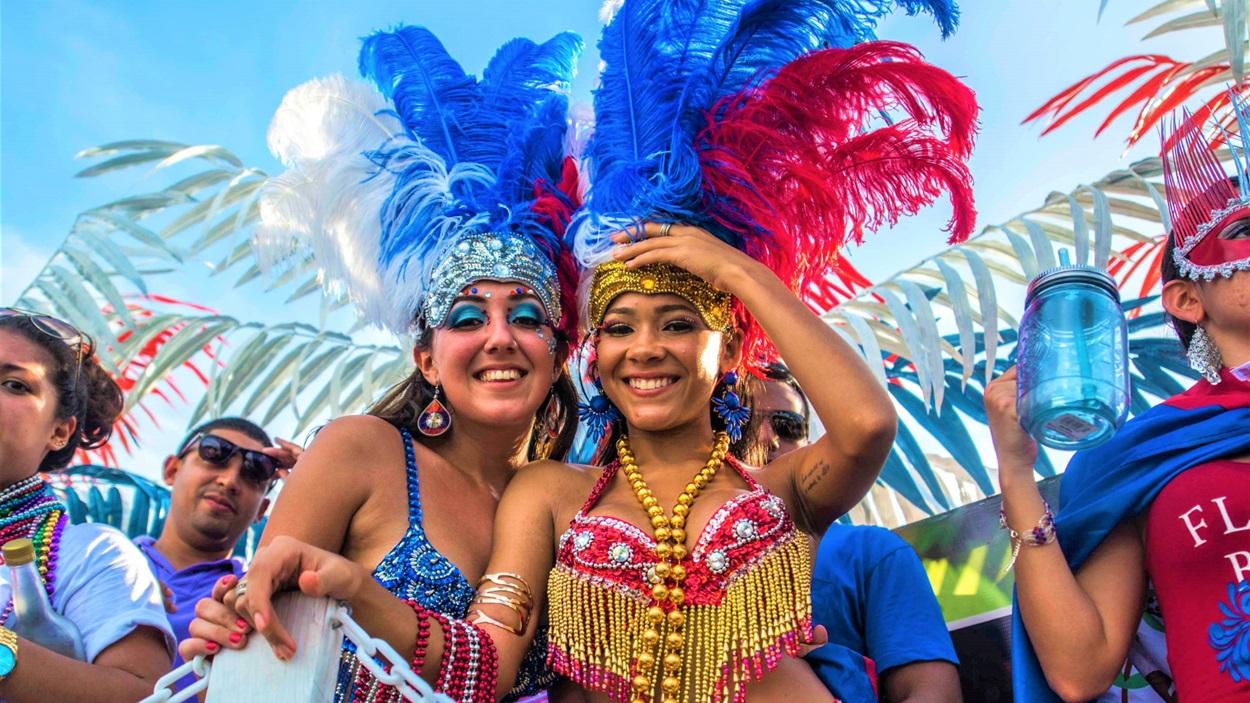
As the sun rises over the vibrant landscapes of the Caribbean, it casts a golden hue on a region rich in cultural heritage and historical significance. Each year, Caribbean nations come together to commemorate their hard-won independence and national holidays, honoring the resilience and spirit of their people. From the bustling streets of Port-au-Prince to the serene beaches of Nassau, these celebrations are not merely festivities; they are profound expressions of identity, freedom, and unity. This article delves into the significance of independence in the Caribbean, exploring how these national holidays reflect the values, struggles, and aspirations of diverse nations as they continue to forge their paths in a complex global landscape. Join us as we navigate through the rich tapestry of traditions and the lasting legacy of freedom that unite the Caribbean islands.
Table of Contents
- Celebrating National Identity through Caribbean Independence Narratives
- The Role of Cultural Festivals in Promoting Unity and Heritage
- Analyzing Economic Impact of Independence Celebrations on Local Communities
- Enhancing Community Engagement through Educational Initiatives during National Holidays
- Closing Remarks
Celebrating National Identity through Caribbean Independence Narratives
As nations across the Caribbean mark their independence, they not only celebrate liberation from colonial powers but also embrace the unique narratives that define their national identities. Each territory tells its own story—woven from cultural heritage, historical struggles, and a shared quest for self-determination. These stories manifest in vibrant celebrations that reflect the diversity of the Caribbean, including colorful parades, traditional music, and the draping of national flags, each symbolizing the resilience and spirit of the people.
During independence festivities, communities engage in various activities that reinforce their national identity, such as:
- Artistic Expressions: Local artists create murals and sculptures depicting historical events, fostering a sense of pride and unity.
- Traditional Dances: Folk dances and music revive ancestral traditions and promote cultural continuity.
- Public Discourses: Political leaders and community figures deliver speeches reflecting on the struggles endured and the aspirations for the future.
These celebrations are not just moments of remembrance but also serve to educate younger generations about their heritage. The following table highlights some key Caribbean nations and their respective independence dates, illustrating the rich tapestry of independence narratives:
| Country | Independence Date | Key Celebration Activities |
|---|---|---|
| Jamaica | August 6, 1962 | National parade, cultural exhibitions |
| Trinidad and Tobago | August 31, 1962 | Carnival-style festivities, fireworks |
| Barbados | November 30, 1966 | Cultural shows, community feasts |
These experiences are illustrative of how Caribbean nations celebrate their journey toward self-governance while reinforcing their national identities. Through shared stories and joyful togetherness, the Caribbean embodies the spirit of freedom and the rich heritage that shapes its diverse cultures.
The Role of Cultural Festivals in Promoting Unity and Heritage
Cultural festivals serve as vibrant platforms where the rich tapestry of Caribbean heritage is woven together, promoting a sense of belonging and unity among diverse communities. These events not only celebrate independence and historical milestones, but they also reinforce shared cultural values through an array of artistic expressions, music, and culinary traditions. Throughout the Caribbean, festivals such as Crop Over in Barbados, Junkanoo in the Bahamas, and Carnival in Trinidad and Tobago showcase the region’s unique history and collective identity, drawing attendees from all walks of life. This spirited participation fosters an atmosphere of community and reconciliation, breaking down barriers and encouraging intercultural dialog.
Furthermore, these celebrations act as educational experiences that allow individuals to explore and appreciate the traditions and stories that have shaped the Caribbean. By engaging in dances, parades, and workshops, attendees gain a deeper understanding of the significance behind various cultural practices and the struggles that led to their independence. As a result, cultural festivals do not merely commemorate history; they play a crucial role in preserving and revitalizing Caribbean heritage for future generations. The outcomes are profound, as they provide a sense of pride and ownership in one’s culture while nurturing a united front against the challenges of globalization.
Analyzing Economic Impact of Independence Celebrations on Local Communities
The economic impact of independence celebrations on local communities is profound, often acting as a catalyst for various sectors. Businesses experience a surge in consumer spending as residents and tourists alike participate in festivities. This inflow can lead to a notable increase in revenue for local vendors, restaurants, and entertainment venues. Seasonal employment also tends to rise, providing job opportunities for many within the community. Key areas affected include:
- Hospitality and Tourism: Hotels and tour operators see heightened bookings, benefiting from increased interest in cultural experiences.
- Retail Sector: Local shops often offer unique products and services tied to the celebrations, enhancing sales.
- Entertainment: Concerts, parades, and fireworks attract larger crowds, contributing significantly to local economies.
Furthermore, these celebrations often lead to long-term infrastructural investments, as governments and organizations seek to enhance public spaces and facilities in anticipation of increased tourism. The visual representation of pride and culture can create a lasting impression, fostering a sense of community that thrives long after the celebrations end. Below is a simplified illustration of the potential economic benefits:
| Benefit | Description |
|---|---|
| Job Creation | Temporary positions during festivities drive employment rates up. |
| Increased Sales | Local businesses see a spike in purchases due to event-specific offerings. |
| Cultural Promotion | Celebrations showcase local heritage, attracting future tourism. |
Enhancing Community Engagement through Educational Initiatives during National Holidays
National holidays present a unique opportunity to foster community spirit through educational initiatives that celebrate historical milestones and cultural heritage. By integrating local history into the festive celebrations, towns can encourage residents to engage with their roots and appreciate the significance of independence. For instance, organizing workshops that delve into the stories of national heroes and significant events can inspire a deeper understanding of freedom’s value. These workshops can be designed to cater to diverse audiences, thereby maximizing participation and creating a more cohesive community.
Moreover, festivals and events that are educational in nature can integrate interactive activities that captivate younger generations. Examples include:
- Cultural Exhibits: Set up booths showcasing traditional crafts, music, and cuisine.
- Storytelling Sessions: Invite elders to share personal accounts of historical events, enhancing personal connections to the past.
- Educational Competitions: Host quizzes and contests related to the nation’s history, inspiring friendly rivalry while promoting learning.
| Activity Type | Target Audience | Educational Outcome |
|---|---|---|
| Workshops | Adults & Teens | Understanding independence narratives |
| Interactive Games | Children | Learning through play |
| Cultural Performances | All Ages | Appreciation of heritage |
Closing Remarks
As we reflect on the vibrant tapestry of Caribbean independence and national holidays, it becomes evident that these celebrations are more than mere festivities; they are powerful affirmations of identity, resilience, and unity. Each nation, with its unique history and cultural heritage, contributes to a collective narrative of freedom that resonates throughout the region. These observances not only honor the sacrifices of past generations but also inspire present and future pursuits of liberty and justice.
As we celebrate these pivotal moments in Caribbean history, let us recognize the enduring spirit of independence that drives nations forward. Whether through parades, cultural events, or educational initiatives, the true spirit of these holidays is embodied in the pride of the people and the commitment to uphold the values of freedom, equality, and self-determination.
In a world that continuously evolves, the Caribbean’s commitment to celebrating its independence serves as a beacon of hope and inspiration. As we move forward, may these celebrations continue to foster unity among nations, strengthen cultural ties, and encourage a shared vision for a future marked by peace and prosperity. The journey of freedom is ongoing, and it is through these celebrations that we honor the past, celebrate the present, and illuminate the path ahead.