


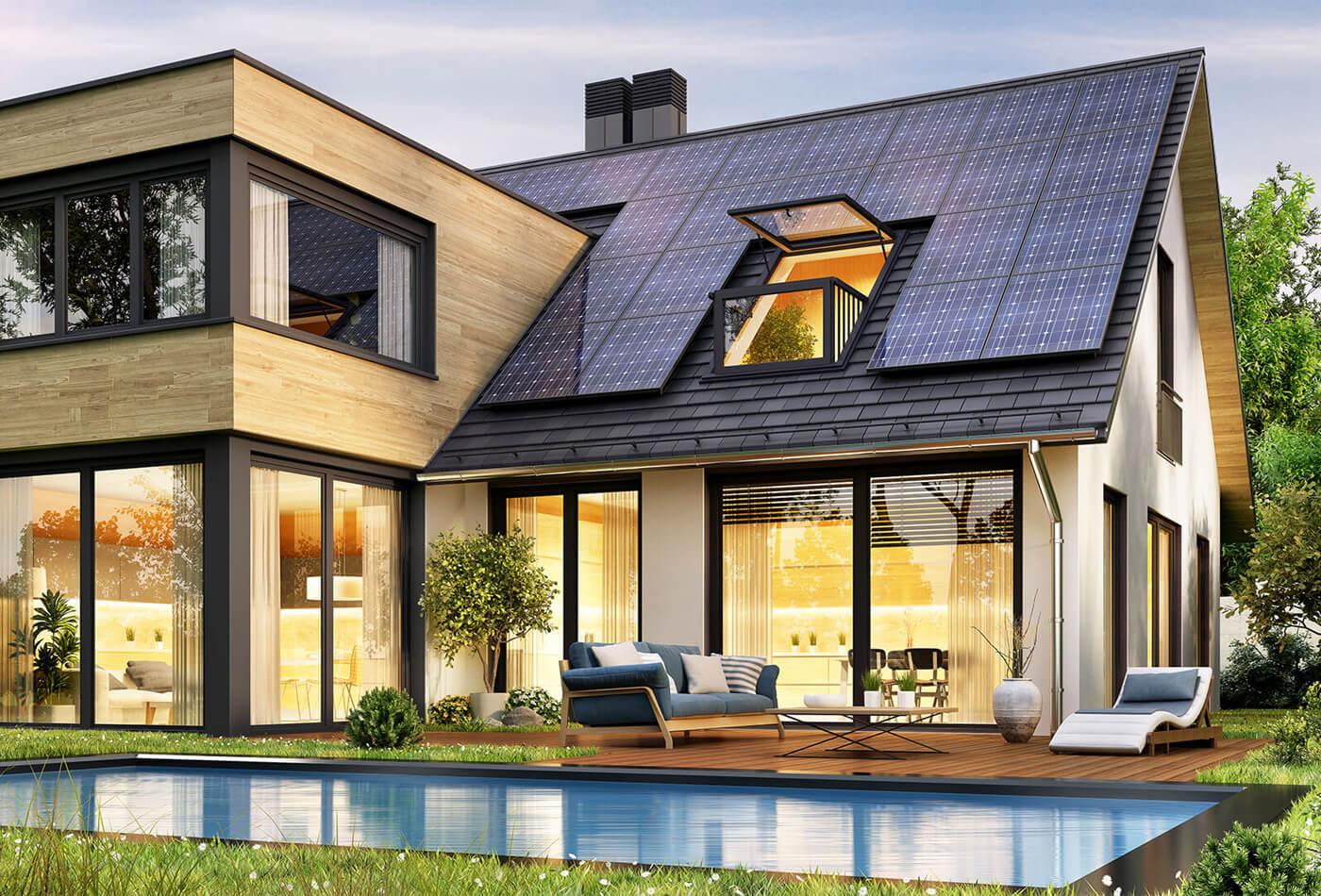
As the Caribbean continues to enchant travelers with its stunning landscapes and vibrant cultures, a new wave of development is transforming the region’s real estate landscape. The demand for eco-friendly homes is on the rise, driven by an increasing awareness of environmental issues and a desire for sustainability among both residents and investors. In this article, we explore the motivations behind this trend, the innovative designs that characterize these homes, and the benefits they offer not only to their occupants but also to the broader Caribbean environment. Join us as we delve into how the harmonious blend of luxury living and eco-conscious practices is reshaping the future of Caribbean housing, promoting a greener lifestyle while preserving the natural beauty that makes these islands so special.
Table of Contents
- Shaping Sustainable Living Spaces in the Caribbean
- Exploring Innovative Materials for Eco-Friendly Construction
- Harnessing Renewable Energy for Caribbean Homes
- Incorporating Natural Landscaping to Enhance Eco-Friendly Design
- To Conclude
Shaping Sustainable Living Spaces in the Caribbean
The Caribbean is witnessing a paradigm shift in its approach to housing, as the demand for eco-friendly homes surges in response to heightened environmental awareness. Sustainable architecture not only minimizes the ecological footprint but also enhances the quality of life for residents. Key elements influencing this transformation include:
- Use of Local Materials: Prioritizing indigenous resources reduces transportation costs and supports local economies.
- Solar Energy Solutions: With abundant sunshine, solar panels have become an integral aspect of Caribbean homes, reducing reliance on non-renewable energy.
- Rainwater Harvesting: Implementing systems for collecting rainwater ensures a sustainable water supply, crucial in the often-dry months.
The integration of green roofs and vertical gardens also contributes to urban cooling, improving air quality while providing a touch of nature to urban environments. Developers are now increasingly adopting eco-certifications to market homes as environmentally friendly, appealing to buyers committed to sustainability. A quick comparison highlights the benefits and features of eco-friendly homes versus conventional ones:
| Feature | Eco-Friendly Homes | Conventional Homes |
|---|---|---|
| Energy Efficiency | High | Low |
| Water Conservation | Implemented | Minimal |
| Local Economic Support | High | Variable |
Exploring Innovative Materials for Eco-Friendly Construction
The construction industry is witnessing a transformative shift towards sustainability, particularly in the Caribbean, where natural resources are abundant yet fragile. Innovative materials such as bamboo, recycled plastic, and rammed earth are gaining traction as eco-friendly alternatives to traditional building supplies. These materials not only reduce the environmental footprint of construction projects but also promise durability and aesthetic appeal. For instance, bamboo is known for its rapid growth and strength, making it an ideal candidate for both structural elements and decorative features. Recycled plastic can be molded into various shapes, providing an ingenious solution for affordable housing without sacrificing style.
Additionally, the integration of permeable concrete and hempcrete is reshaping the way buildings are designed and function. Permeable concrete allows for efficient water drainage, minimizing runoff and preventing flooding—a critical concern in many Caribbean regions. Hempcrete, while lightweight and insulating, is also carbon-negative, sequestering more carbon than it emits during its lifecycle. Emphasizing these materials not only helps in building a greener future but also aligns with the cultural and environmental values of Caribbean communities. By prioritizing sustainable building practices, we can fulfill the rising demand for eco-friendly homes while safeguarding our beautiful islands for generations to come.
Harnessing Renewable Energy for Caribbean Homes
With the Caribbean’s abundant sunshine and steady breezes, the region is ideally situated to harness renewable energy sources. Homeowners are increasingly turning to sustainable practices, not just for environmental reasons, but also to achieve energy independence and reduce utility costs. By implementing technologies such as solar panels and wind turbines, Caribbean homes can significantly diminish their reliance on fossil fuels and benefit from the following:
- Reduced Energy Bills: By generating their own power, homeowners can lower their monthly electricity expenses.
- Increased Property Value: Green homes are becoming more attractive to buyers, leading to higher resale values.
- Environmental Impact: Utilizing renewable energy helps combat climate change and reduces carbon footprints.
Furthermore, adapting to local conditions is paramount in optimizing renewable energy systems. For instance, the design of solar panels should account for regional weather patterns, ensuring maximum efficiency year-round. Homeowners are now motivated to engage with reputable local providers who understand these nuances and can offer tailored solutions. Below is a simple comparison of the most popular renewable energy sources suitable for Caribbean homes:
| Energy Source | Advantages | Considerations |
|---|---|---|
| Solar Energy | Abundant sunlight, low maintenance | Initial installation cost |
| Wind Energy | Ideal in coastal areas, effective for larger properties | Requires suitable wind conditions |
| Hydro Energy | Consistent power availability | Geographically limited |
Incorporating Natural Landscaping to Enhance Eco-Friendly Design
Natural landscaping plays a pivotal role in promoting sustainability while also enhancing the aesthetic appeal of eco-friendly homes. By selecting native plant species, homeowners can create a harmonious environment that thrives on minimal irrigation and maintenance. Incorporating elements such as rain gardens and permeable paving not only helps manage stormwater runoff effectively but also supports local wildlife, fostering a balanced ecosystem. As tropical storms become an increasing concern in the Caribbean, utilizing resilient plants can provide a natural barrier that protects properties from erosion and flooding.
In addition, employing edible landscaping techniques can transform yards into productive spaces while embracing the principles of permaculture. Homeowners can cultivate a variety of fruit trees, herbs, and vegetable gardens, which contribute to food security and reduce reliance on transported goods. By integrating features like biodiversity zones and composting stations, residents can minimize waste and enhance soil health. The combination of these practices not only supports eco-friendly design but also fosters a sense of community engagement and resilience, paving the way for a sustainable future in the Caribbean.
To Conclude
As we wrap up our exploration of eco-friendly homes in the Caribbean, it’s clear that the demand for sustainable living solutions is not just a passing trend but a vital shift toward preserving the beauty and integrity of these vibrant islands. The fusion of modern design with environmentally conscious practices offers a blueprint for the future—a future where comfort and sustainability go hand in hand.
The Caribbean is at a pivotal moment, poised to lead the way in eco-friendly living that respects its unique ecosystems while catering to the desires of eco-conscious homeowners and investors. As we collectively strive for a greener planet, the innovations and advancements in sustainable construction practices demonstrate that it’s possible to enjoy the enchanting beauty of island life without compromising the environment.
Whether you’re a homeowner looking to invest in a sustainable property, an architect eager to incorporate green designs, or simply an admirer of the Caribbean’s natural wonders, the call for eco-friendly homes is loud and clear. Together, we can cultivate a flourishing future that not only respects our planet but enriches the lives of those who call these stunning islands home. Let’s embrace this exciting journey towards a more sustainable Caribbean, where every brick laid is a step toward a greener tomorrow.