


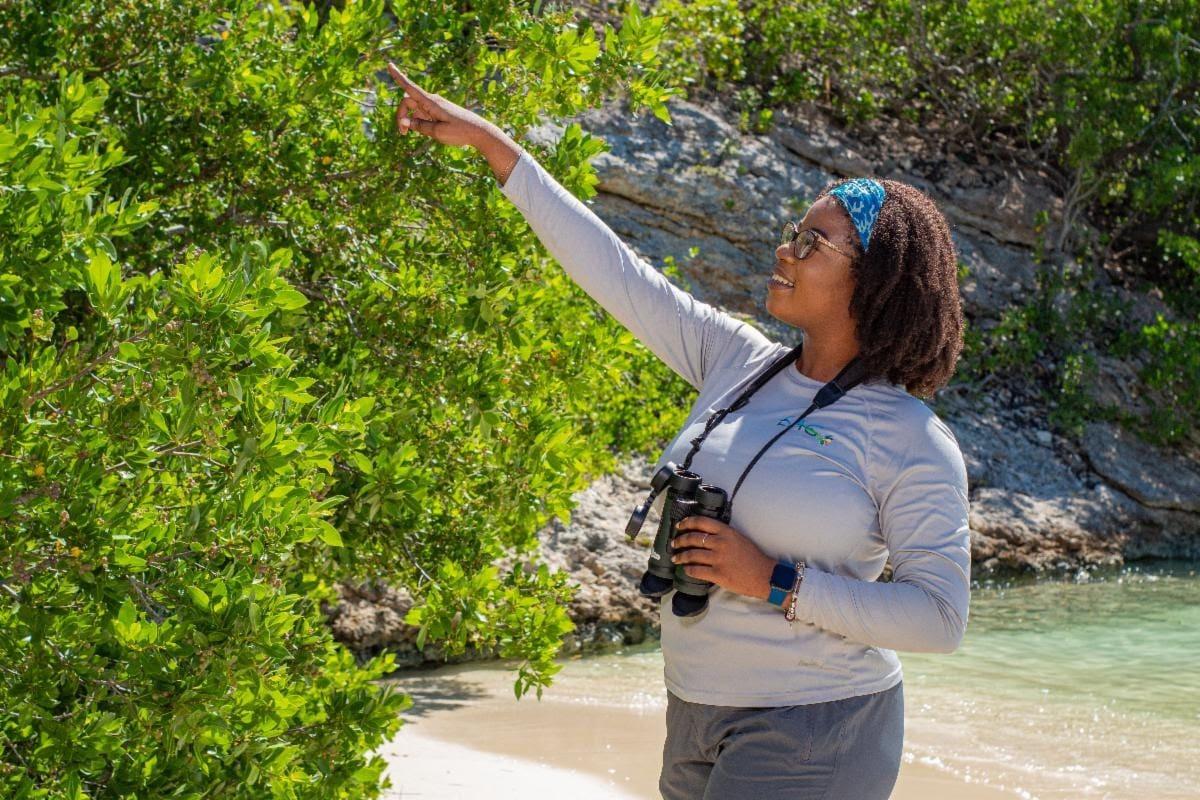
In an era where the impacts of climate change and environmental degradation are increasingly palpable, the Caribbean stands at a crossroads, uniquely vulnerable yet brimming with potential. The lush landscapes, vibrant cultures, and rich biodiversity that define this region are confronting unprecedented challenges that threaten both ecological and human well-being. However, amid these challenges lies an extraordinary opportunity: the empowerment of the next generation of environmental leaders.
Education is a powerful catalyst for change, equipping young minds with the knowledge, skills, and passion needed to advocate for sustainable practices and protect their natural heritage. In this blog, we delve into various initiatives and programs aimed at nurturing the environmental stewards of tomorrow. From innovative curricula in schools to community-based conservation efforts, we will explore how education can play a pivotal role in fostering a new wave of Caribbean leaders who are not only aware of the pressing issues but are also actively engaged in creating sustainable solutions. Join us as we embark on this journey to amplify the voices of youth and empower them to become the guardians of their environment, ensuring a vibrant and sustainable future for the Caribbean and its people.
Table of Contents
- Fostering a Culture of Sustainability in Caribbean Classrooms
- Integrating Local Ecological Knowledge into Educational Curricula
- Building Partnerships for Comprehensive Environmental Training
- Advocating for Policy Changes to Support Young Environmental Leaders
- In Summary
Fostering a Culture of Sustainability in Caribbean Classrooms
The Caribbean is home to some of the world’s most vibrant ecosystems, yet these natural treasures are increasingly threatened by climate change and unsustainable practices. To combat this, it is crucial for educators to integrate sustainability into the classroom environment. By promoting hands-on learning experiences and critical thinking, teachers can empower students to become stewards of their environment. Incorporating interdisciplinary projects that link biology, geography, and social studies allows students to understand the interconnectedness of ecological systems and the effects human actions have on them.
To effectively foster a culture of sustainability, schools should implement strategies such as:
- Creating green spaces and gardens on campus
- Introducing recycling programs and waste management initiatives
- Organizing community clean-up events
- Utilizing local resources and materials in lesson plans
- Encouraging eco-friendly practices among staff and students
| Practice | Benefits |
|---|---|
| School Gardens | Enhance biodiversity and provide hands-on learning opportunities. |
| Recycling Programs | Reduce waste and promote environmental responsibility. |
| Community Involvement | Build partnerships and reinforce community values. |
| Energy Conservation | Teach resource efficiency and reduce operational costs. |
Integrating Local Ecological Knowledge into Educational Curricula
Incorporating local ecological knowledge into educational curricula is essential for nurturing a generation of environmental leaders capable of addressing the unique challenges faced by Caribbean ecosystems. By recognizing and valuing the wisdom of indigenous communities, educators can enrich their programs with practical, community-based insights that resonate with students. This integration not only strengthens students’ connection to their cultural heritage but also elevates their understanding of the ecological dynamics specific to the Caribbean region. Key strategies for integration include:
- Collaborative Projects: Engage students in fieldwork alongside local practitioners to observe and apply traditional ecological practices.
- Storytelling and Oral Histories: Incorporate narratives from elders that highlight local environmental stewardship and conservation techniques.
- Workshops and Seminars: Organize sessions led by local experts to teach students about sustainable practices that have been effective in the Caribbean context.
Moreover, experiential learning can be significantly enhanced through the use of interactive activities that emphasize real-world applications of ecological knowledge. For instance, integrating local plants and wildlife into science curricula can provide students with hands-on experience in biodiversity, conservation, and restoration efforts. A simple table outlining potential local ecological topics could include:
| Topic | Description |
|---|---|
| Coral Reef Conservation | Understanding the significance of reefs and local conservation efforts. |
| Traditional Agricultural Practices | Exploring sustainable farming methods used by local communities. |
| Endemic Species | Learning about native species and their ecological roles. |
By weaving these topics into the curriculum, we empower students not just to learn, but to become active participants in preserving their natural heritage and advocating for sustainable practices that benefit both the environment and local communities.
Building Partnerships for Comprehensive Environmental Training
Collaboration is key to fostering a robust framework for environmental education. By forging strategic alliances with local governments, community organizations, and educational institutions, we can create a comprehensive network designed to enhance environmental training initiatives across the Caribbean. These partnerships allow us to pool resources, share expertise, and tailor programs that reflect the unique ecological challenges faced by our islands. Together, we can create a vibrant ecosystem of learning that empowers future leaders to tackle pressing environmental issues head-on.
To achieve effective collaborations, it’s essential to establish clear objectives and leverage the strengths of each partner. This could include:
- Joint workshops and seminars: Facilitating knowledge exchange among stakeholders.
- Resource sharing: Providing access to educational materials and environmental data.
- Community outreach programs: Engaging locals in environmental sustainability efforts.
| Partner Type | Key Contributions |
|---|---|
| NGOs | On-the-ground expertise and community engagement. |
| Academic Institutions | Research capabilities and educational resources. |
| Government Agencies | Policy support and funding opportunities. |
Advocating for Policy Changes to Support Young Environmental Leaders
In the Caribbean, the need for robust policy frameworks that support young environmental leaders has never been more critical. By advocating for tailored policies, we can create an ecosystem that nurtures innovation and empowers youth to spearhead sustainable initiatives. Key areas for policy advocacy include:
- Access to funding: Establish grants and scholarships specifically aimed at young environmental projects.
- Incorporation of youth voices: Ensure that young leaders are actively involved in policy-making processes, giving them a platform to share their insights.
- Support for educational programs: Develop curricula that emphasize environmental stewardship and leadership skills from an early age.
Moreover, supporting collaborative partnerships between governmental bodies, NGOs, and educational institutions can create a fertile ground for innovation. For instance, strategic initiatives could involve:
| Initiative | Expected Impact |
|---|---|
| Mentorship programs | Connect young leaders with experienced professionals to enhance skill development. |
| Community engagement projects | Foster local involvement in environmental protection activities. |
| Policy workshops | Equip youth with the tools to influence environmental legislation. |
In Summary
As we look toward the future of the Caribbean, it becomes increasingly clear that the key to environmental sustainability lies within the hands of our youth. By fostering a culture of education, innovation, and passion for the natural world, we are not merely preparing tomorrow’s leaders—we are empowering them to become change-makers who will articulate and enact solutions to the pressing environmental challenges we face.
Investing in educational programs that prioritize environmental stewardship is not an option; it’s a necessity. As we cultivate curiosity and commitment in our young leaders, we lay the groundwork for a resilient and sustainable Caribbean. Together, through collaborative efforts in schools, communities, and beyond, we can inspire a generation that values and protects the rich biodiversity of our islands.
let us champion initiatives that equip our youth with the knowledge, skills, and confidence they need to fuel the Caribbean’s environmental movement. The future is bright, and with every lesson learned and every initiative launched, we are one step closer to cultivating a thriving, eco-conscious Caribbean that honors and preserves its unique natural heritage for generations to come. Let’s empower our future leaders and watch as they take up the mantle of stewardship with dedication and vigor. The journey starts today, for a better tomorrow.