


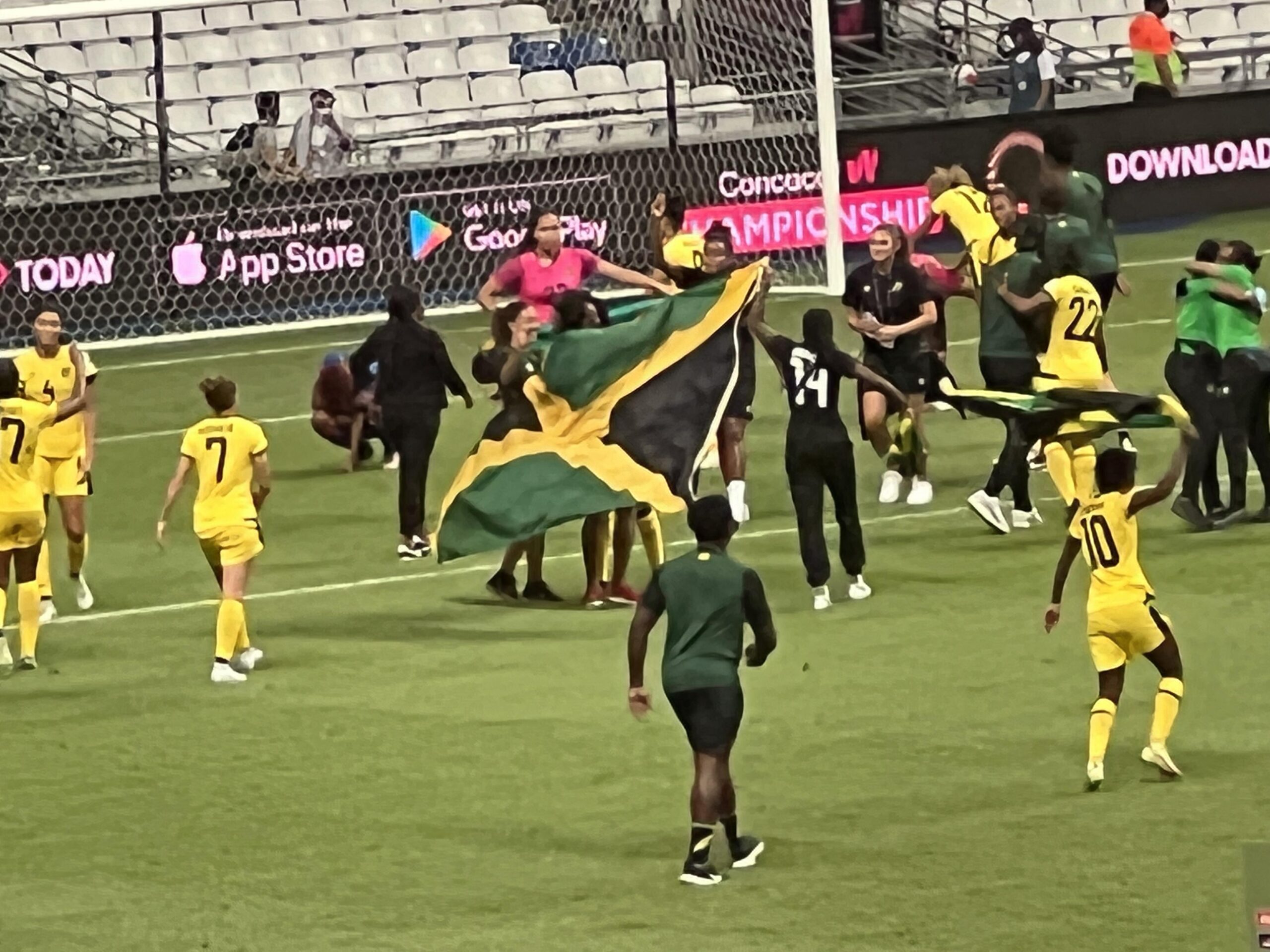
As the world increasingly turns its attention to football, the Caribbean region emerges as a vibrant player in the global sport. With its unique blend of culture, passion, and burgeoning talent, Caribbean football is gaining traction beyond its shores. From the lush green pitches of Trinidad and Tobago to the sun-soaked fields of Jamaica, the diverse leagues and teams across the islands are not only a source of local pride but are also fostering a growing interest in the sport on an international stage. This article delves into the key leagues and teams that define Caribbean football, examining their historical significance, current developments, and the future potential they hold as they strive for recognition in the wider football community. Join us as we explore the dynamic landscape of Caribbean football, where tradition meets aspiration, and talent flourishes against a backdrop of breathtaking natural beauty.
Table of Contents
- The Rise of Caribbean Football: Historical Context and Current Landscape
- Key League Profiles: An In-Depth Look at Premier Competitions
- Star Players to Watch: Emerging Talent from the Caribbean
- Investing in the Future: Development Programs and Their Impact on Local Football
- To Wrap It Up
The Rise of Caribbean Football: Historical Context and Current Landscape
The landscape of football in the Caribbean has transformed significantly over the decades, evolving from informal neighborhood games to highly competitive leagues that showcase immense talent. Historical influences, such as colonization and migration, played a pivotal role in shaping the sport’s popularity across the region, with various islands establishing their own unique football cultures. These historical factors, combined with the passionate support of local communities, have fostered an environment where football not only serves as a source of entertainment but also as a unifying force for diverse populations.
As Caribbean football continues to rise, various leagues and teams have taken center stage, enhancing the visibility of the sport both regionally and internationally. Notable leagues, such as the TT Pro League in Trinidad and Tobago and the Jamaica Premier League, have become breeding grounds for talent, while clubs like Club Sando and Portmore United emerge as powerhouses. The region’s commitment to the development of youth academies and grassroots programs is a promising sign that the future of Caribbean football looks bright. Below is an overview of key leagues and teams that define the current football landscape in the Caribbean:
| League | Country | Notable Teams |
|---|---|---|
| TT Pro League | Trinidad and Tobago | Club Sando, W Connection |
| Jamaica Premier League | Jamaica | Portmore United, Arnett Gardens |
| Cuban National Football League | Cuba | FC La Habana, Villa Clara |
| Dominican League | Dominican Republic | Club Atletico Pantoja, Cibao FC |
Key League Profiles: An In-Depth Look at Premier Competitions
The Caribbean boasts a rich tapestry of football leagues that showcase a diverse range of talent and competitive spirit. Among the standout competitions, the TT Pro League in Trinidad and Tobago has carved a reputation for nurturing local talent while also attracting international players. Established in 1999, the league has revolutionized the football landscape through its strong emphasis on youth development and community involvement. Additionally, the Jamaica Premier League provides a thrilling platform for club rivalries and fanfare, with teams like Portmore United and Arenel FC consistently vying for dominance. The passion displayed by teams in both leagues not only enhances sportsmanship but also cements their status as essential components of Caribbean culture.
Another notable competition is the Dominican Republic Liga Dominicana de Fútbol, which features clubs eager to make their mark on the regional stage. This league has produced significant players who have made impactful contributions both domestically and abroad. The recent introduction of play-off systems adds to the excitement, offering a dramatic conclusion to the season. Below is a comparison of some of the league highlights:
| League | Established | Key Teams |
|---|---|---|
| TT Pro League | 1999 | W Connection, Central FC |
| Jamaica Premier League | 2008 | Portmore United, Cavalier FC |
| Liga Dominicana de Fútbol | 2015 | C.D. Atlético Pantoja, Cibao FC |
Star Players to Watch: Emerging Talent from the Caribbean
The Caribbean football scene is thriving with an emerging generation of players who are making waves both locally and internationally. The passion for the game, coupled with rigorous training and talent development programs, has produced several standout athletes. Some names to keep an eye on include:
- Jamaica’s Tevin Shaw – A dynamic midfielder, Shaw has been instrumental for his local club and is poised for a breakout season.
- Dominican Republic’s Luis Caicedo – A forward with an eye for goal, Caicedo’s speed and agility have garnered attention from scouts across the region.
- Trinidad and Tobago’s Aaliyah Prince – As a rising star in women’s football, Prince stands out for her versatility and skill on the ball.
In addition to individual talent, the robust youth academies are essential in shaping these players into future stars. Clubs across the Caribbean, such as:
- Humble Lion FC, known for its strong youth development program, has consistently produced talented prospects.
- Waterhouse FC has made strides in cultivating female athletes through their dedicated women’s program, highlighting the importance of inclusivity in football.
- Club Soca in Barbados is empowering young players with resources and mentorship to succeed at higher levels.
Investing in the Future: Development Programs and Their Impact on Local Football
The grassroots initiatives across the Caribbean have emerged as pivotal investment avenues aimed at enhancing local football talent and fostering a sustainable future for the sport. Major universities and local clubs have recognized the significance of structured development programs, which prioritize youth engagement and skill acquisition. These programs often include:
- Coaching Clinics: Training sessions conducted by experienced coaches to educate local trainers.
- Scholarship Programs: Opportunities for talented youth to pursue football alongside education.
- Community Leagues: Formation of local leagues providing matches for various age groups.
The impact of these developmental efforts has been profound, not only on individual players but also on the local football ecosystem. Recent statistics have demonstrated that regions investing in youth programs have seen a substantial increase in the number of skilled players entering professional leagues. The following table highlights some of the key outcomes from these initiatives:
| Year | New Players Developed | Leagues Established | Professional Contracts Secured |
|---|---|---|---|
| 2021 | 150 | 5 | 20 |
| 2022 | 180 | 8 | 30 |
| 2023 | 200 | 10 | 45 |
To Wrap It Up
As we conclude our exploration of Caribbean football, it becomes evident that the region is a vibrant tapestry of talent, tradition, and passion for the game. From the distinguished leagues nurturing homegrown stars to the iconic teams that inspire local pride and unity, Caribbean football is more than just a sport; it is a cultural cornerstone.
With ongoing development initiatives and increased investment, the potential for growth in this sector is vast. These leagues not only serve as platforms for players to showcase their skills but also as vehicles for social change and community cohesion. As the spotlight on Caribbean football continues to intensify, the hope is that it will garner the global recognition it richly deserves.
As fans and stakeholders alike rally to support their teams and foster new talent, the future of Caribbean football looks promising. We encourage enthusiasts to keep an eye on the evolving dynamics of these leagues, as they will undoubtedly play a crucial role in shaping not just the future of the sport in the region, but also its contributions to the global footballing narrative.