


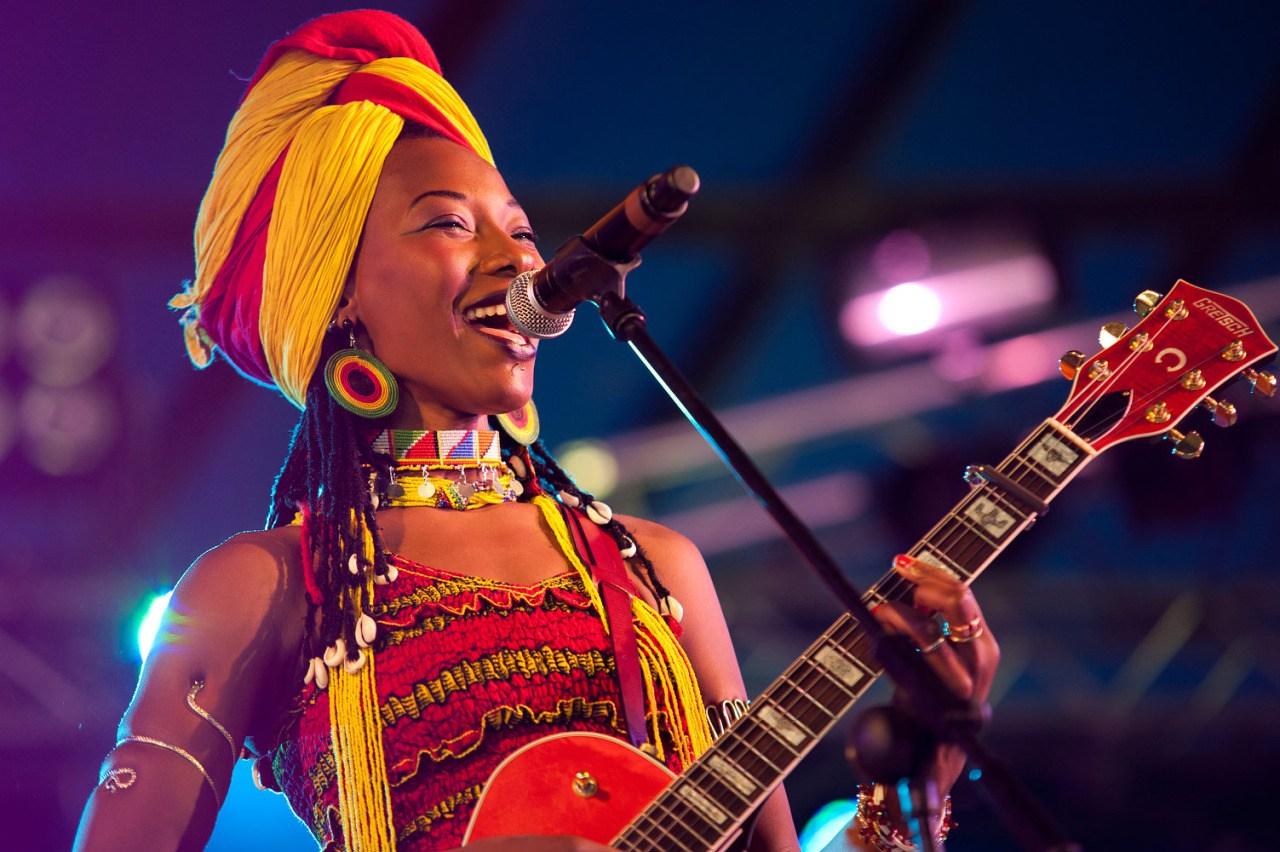
In an increasingly interconnected world, music serves as a powerful medium for cultural expression and identity, particularly within diasporic communities. The Caribbean diaspora, a vibrant and diverse collective formed by the migration of people from the islands, has profoundly influenced global music landscapes. Reggae, calypso, soca, and dancehall are just a few genres that have transcended geographical boundaries, reshaping not only musical traditions but also cultural narratives. This article delves into the rich tapestry of Caribbean diaspora music, examining its origins, evolution, and the significant role it plays in fostering community, preserving cultural heritage, and influencing social movements. From the streets of London to the clubs of New York, the sounds of the Caribbean continue to resonate, forging connections among diverse audiences and underscoring the power of music as a tool for cultural advocacy and unity. Join us as we explore this dynamic musical journey and its far-reaching implications in a globalized society.
Table of Contents
- The Evolution of Caribbean Diaspora Music and Its Global Resonance
- Influence of Caribbean Rhythms on Contemporary Genres and Artists
- Preserving Heritage: The Role of Music in Caribbean Diaspora Communities
- Strategies for Promoting Caribbean Music in the Global Marketplace
- In Summary
The Evolution of Caribbean Diaspora Music and Its Global Resonance
The journey of Caribbean diaspora music is a profound narrative that transcends geographical borders, representing a vibrant tapestry woven from the rich histories of migration, colonialism, and cultural exchange. Initially borne out of the need to express struggle and identity, genres such as reggae, calypso, and salsa have evolved over decades, drawing influences from African rhythms, European melodies, and the diverse cultural practices of the Caribbean islands. This fusion has not only given rise to unique musical forms but has also allowed Caribbean musicians to engage with global issues, articulating themes of resistance, perseverance, and community. As these sounds permeate international music scenes, they invite individuals from various backgrounds into a shared cultural experience.
Today, the global resonance of Caribbean diaspora music can be seen in various platforms, from mainstream radio charts to international music festivals. Artists like Bob Marley, Celia Cruz, and more recently, Shaggy and Sean Paul have made historic impacts, popularizing Caribbean rhythms worldwide. This phenomenon can be summarized in several key factors reflecting its cultural significance:
- Adaptability: Caribbean music easily integrates with multiple genres, facilitating collaborations with global artists.
- Community Narratives: Songs often tell stories of shared experiences, making them relatable across different cultures.
- Digital Accessibility: Streaming platforms have brought Caribbean sounds into the hands of millions, amplifying their reach.
| Genre | Key Influences | Global Impact |
|---|---|---|
| Reggae | African Rhythms, Jazz | Spurred social justice movements |
| Soca | Calypso, African Drumming | Popularized at carnivals worldwide |
| Dancehall | Reggae, Hip-Hop | Inspires global dance trends |
Influence of Caribbean Rhythms on Contemporary Genres and Artists
The rich tapestry of Caribbean rhythms has been instrumental in shaping contemporary music genres across the globe. This influence can be seen in reggae, soca, calypso, and dancehall, which have seamlessly woven into the fabric of pop, hip-hop, and electronic music. Notable artists like Rihanna, Beyoncé, and Drake frequently incorporate these vibrant rhythms into their tracks, creating a fusion that resonates with diverse audiences. The adoption of Caribbean beats not only broadens the sonic landscape of mainstream music but also promotes a cultural storytelling that echoes the experiences and heritage of the Caribbean diaspora.
Moreover, the global music scene has embraced collaborations with Caribbean artists, furthering the cross-cultural exchange that enriches contemporary sound. For example, the chart-topping hit “Lean On” by Major Lazer and MØ blends electronic and dancehall elements, showcasing how Caribbean styles can energize and redefine global music trends. Festivals celebrating Caribbean culture, such as Carnival, have also influenced the performance styles of various artists, pushing the boundaries of creativity in live shows. This cultural impact is undeniable, as reflected in the following table illustrating some notable collaborations:
| Artist | Collaboration | Genre |
|---|---|---|
| Rihanna | “Work” ft. Drake | Pop/Dancehall |
| Drake | “One Dance” ft. Wizkid & Kyla | Hip-hop/Afrobeat |
| Major Lazer | “Lean On” ft. MØ | Electronic/Dancehall |
Preserving Heritage: The Role of Music in Caribbean Diaspora Communities
The power of music as a vessel for cultural identity is especially pronounced within Caribbean diaspora communities. As individuals migrate from their home countries, they often bring with them the rich musical traditions that define their heritage. This music, encompassing various genres such as reggae, calypso, salsa, and zouk, not only serves as a reminder of their roots but also fosters a sense of unity among community members. Celebrations, festivals, and social gatherings often revolve around these musical forms, allowing people to reconnect with their culture while adapting to new environments.
Moreover, music acts as a bridge between generations, linking the past with the present. Many young people in the diaspora are introduced to traditional Caribbean music through family gatherings or community events, paving the way for cultural transmission and preservation. Through various mediums, music plays a significant role in:
- Strengthening cultural identity: It reinforces a shared sense of belonging, creating community bonds.
- Promoting cultural expression: Artists use music to tell stories and reflect their experiences as members of the diaspora.
- Fostering intercultural dialog: Caribbean music invites cross-cultural collaboration, enriching the musical landscape of their new homes.
Strategies for Promoting Caribbean Music in the Global Marketplace
Promoting Caribbean music on the global stage requires a multifaceted approach that acknowledges its rich heritage while leveraging modern marketing strategies. One effective method is utilizing digital platforms to widen visibility and accessibility. Social media channels, particularly Instagram and TikTok, can serve as powerful tools for artists to connect directly with fans, share snippets of their music, and engage in real-time conversations. Collaboration with influencers who resonate with Caribbean culture can amplify an artist’s reach, creating organic buzz and driving streams. Furthermore, investing in music videos that encapsulate the vibrant spirit of Caribbean culture can attract a broader audience, showcasing not only the music but also the aesthetics and emotions tied to the genre.
In addition to digital marketing, fostering connections with international music festivals can substantially benefit Caribbean artists. These events often serve as cultural exchange platforms where artists can showcase their talents and reach new listener demographics. Establishing partnerships with global distribution networks is another critical strategy. By doing so, Caribbean music can find its way into diverse playlists on streaming services, ensuring its presence in curated collections. A focused effort on creating educational content, such as workshops and webinars about the cultural significance of Caribbean music styles, can further bolster interest and understanding among global audiences, allowing for deeper appreciation and support for Caribbean artists in the international market.
In Summary
the cultural impact of Caribbean diaspora music extends far beyond the rhythms and melodies that have captivated audiences around the globe. This rich tapestry of sound not only reflects the diverse histories and experiences of Caribbean communities but also fosters a deeper understanding and appreciation of their unique identities. As these musical traditions continue to evolve and integrate into global music scenes, they serve as a powerful vehicle for cultural exchange, dialog, and social change. The ongoing exploration of Caribbean diaspora music is vital for acknowledging the contributions of these communities and celebrating the resilience and creativity that characterize their artistic expressions. As we move forward, it is essential to continue recognizing and supporting the voices that shape this vibrant musical landscape, ensuring that the stories of the Caribbean diaspora resonate for generations to come.