


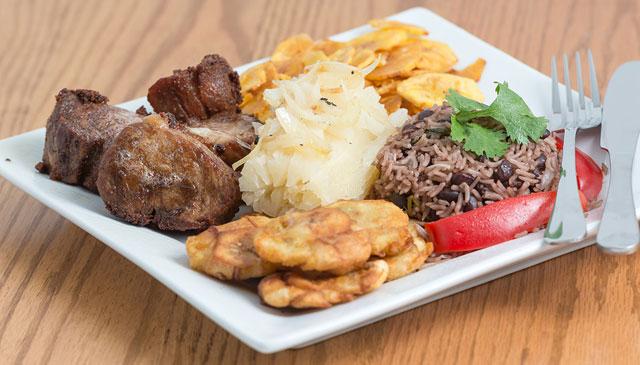
In recent years, Caribbean cuisine has found its way onto plates and into hearts around the world, transforming from a regional delight into a global sensation. From the vibrant street food stalls of Kingston to the refined dining experiences of Miami, the tantalizing flavors and rich cultural history of this culinary tapestry are captivating food enthusiasts everywhere. But what lies behind this rising trend? In this article, we’ll embark on a flavorful journey through the spices and traditions that make Caribbean cuisine so unique. We’ll delve into the stories of passionate chefs, the influences that have shaped the Caribbean food landscape, and the growing appreciation for this dynamic culinary art form. Join us as we explore why Caribbean cuisine is not just a temporary trend but a lasting legacy that continues to evolve and inspire palates across the globe.
Table of Contents
- Understanding the Roots of Caribbean Cuisine and Its Cultural Significance
- Key Ingredients and Techniques Defining the Caribbean Culinary Landscape
- Spotlight on Iconic Caribbean Dishes and Their Global Adaptations
- Embracing Caribbean Flavors: How to Incorporate Them into Your Cooking at Home
- In Conclusion
Understanding the Roots of Caribbean Cuisine and Its Cultural Significance
The vibrant tapestry of Caribbean cuisine is woven from a rich history that reflects the diverse cultures and traditions of the islands. Influenced by Indigenous, African, European, and Asian flavors, the culinary landscape reveals not only the ingredients used but also the stories of resilience and adaptation. The fusion of these cultures can be witnessed in various dishes, where spices and techniques from different origins unite to create a unique gastronomic experience. Noteworthy elements include:
- Jerk seasoning: Originating from Jamaican Maroons, this spicy blend showcases the boldness of the Caribbean spirit.
- Rice and peas: A staple reflecting African roots, often enjoyed as a hearty accompaniment to various dishes.
- Festival: A sweet fried dough that embodies the influence of both African and British culinary traditions.
Beyond the flavors, food in the Caribbean carries deep cultural significance, acting as a medium for storytelling and community bonding. Sharing meals during festive occasions or family gatherings creates a sense of belonging and reflects the warmth and hospitality of the islands. The culinary practices also represent a celebration of heritage, with each dish embodying shared histories and ancestral connections. Exploring this culinary heritage can be further illustrated by examining a few significant dishes and their roots in a simplified table format:
| Dish | Cultural Influence | Key Ingredients |
|---|---|---|
| Callaloo | West African | Leafy greens, okra, spices |
| Patties | British & Jamaican | Flaky pastry, meat or veggie fillings |
| Gumbo | Creole (Louisiana) | Sausages, seafood, okra, spices |
Key Ingredients and Techniques Defining the Caribbean Culinary Landscape
At the heart of Caribbean cuisine lies a rich tapestry of key ingredients that showcase the region’s natural bounty and diverse cultural influences. Fresh, vibrant produce plays a pivotal role, with staples such as plantains, cassava, and yams often taking center stage. Seafood, given the Caribbean’s abundant coastal waters, is another fundamental component, featuring snapper, lobster, and conch in various traditional preparations. The use of aromatic spices like allspice, nutmeg, and coriander adds depth and warmth to dishes, while scotch bonnet peppers introduce a fiery kick that is a signature element across many island flavors. These ingredients are frequently complemented by coconut milk, enhancing richness and adding a hint of tropical sweetness.
Emphasizing the importance of technique, many Caribbean dishes are characterized by time-honored cooking methods that elevate their flavors. Techniques like spicing and marinating, often performed the day before cooking, allow for the full infusion of flavors, with meats typically benefiting from a robust blend of seasonings. Grilling, particularly over an open flame, brings out the natural smokiness of ingredients and is a favorite among island cooks. Simmering stews and curries, such as rice and peas, offers a harmonious blend of textures and tastes, while frying and baking encourage the development of crunchy exteriors that contrast with soft, tender interiors. The combination of these techniques allows Caribbean cuisine to shine with authenticity and artistry, creating unforgettable dining experiences.
Spotlight on Iconic Caribbean Dishes and Their Global Adaptations
As the Caribbean islands boast a rich heritage influenced by African, Spanish, French, and Indian culinary traditions, it’s no surprise that their dishes have found a way into international kitchens. Some of the most iconic meals include:
- Jerk Chicken: Originally from Jamaica, this spicy grilled chicken has been globally embraced, with various adaptations featuring different marinades.
- Pelau: A Trinidadian dish combining rice, peas, and meats that has inspired rice pilafs in Latin America and beyond.
- Conch Fritters: A beloved Bahamian snack that has influenced seafood appetizers globally, often found in fusion menus.
- Roti: This flatbread, hailing from Indian and Caribbean fusion, has spawned numerous variations from curry wraps to tacos in various regions.
These dishes serve as cultural ambassadors, telling the stories of the islands while adapting to the tastes of different countries. Not merely preserved in their original forms, they evolve through:
| Original Dish | Global Adaptation | Notable Ingredients |
|---|---|---|
| Jerk Chicken | Spicy Tacos | Chicken, Jerk spice, Tortillas |
| Pelau | Spanish Paella | Rice, Saffron, Mixed proteins |
| Conch Fritters | Seafood Bites | Conch, Flour, Spices |
| Roti | Stuffed Wraps | Flatbread, Vegetables, Sauces |
Embracing Caribbean Flavors: How to Incorporate Them into Your Cooking at Home
Bringing the vibrant essence of Caribbean cuisine into your own kitchen can be a delightful adventure that expands your culinary horizons. Start by filling your pantry with essential spices and ingredients that define Caribbean flavors: allspice, thyme, scotch bonnet peppers, and coconut milk. Experiment with different types of tropical fruits such as mango, pineapple, and papaya to create refreshing salsas or desserts that can complement your dishes. You can also explore hearty staples like rice and peas, plantains, and cassava that not only enhance flavors but also evoke a sense of the Caribbean’s rich culinary history.
Cooking techniques play a significant role in replicating these authentic flavors, so consider embracing methods like grilling or smoking that are commonly used in the region. To make the most of your Caribbean-inspired meals, try hosting a themed dinner night. Craft a menu that combines a variety of tastes and textures, such as:
| Main Dish | Side Dish | Dessert |
|---|---|---|
| Jerk Chicken | Fried Plantains | Mango Sorbet |
| Curried Goat | Rice and Peas | Sweet Potato Pudding |
| Grilled Fish Tacos | Coleslaw with Pineapple | Rum Cake |
Pair your dishes with a refreshing Caribbean cocktail, like Mojito or Rum Punch, to complete the experience. Embracing these elements allows you not only to savor the flavors but also to immerse yourself in the vibrant culture that inspires them, making your cooking experience both educational and delicious.
In Conclusion
As we conclude our flavorful journey through the global rise of Caribbean cuisine, it becomes abundantly clear that this vibrant culinary tapestry extends far beyond the shores of its island origins. The rich melding of spices, fresh ingredients, and diverse cultural influences has captured the palates and hearts of food enthusiasts around the world. Whether it’s the tantalizing embrace of jerk chicken, the aromatic allure of curry goat, or the comforting indulgence of rice and peas, Caribbean cuisine offers something for everyone, inviting us all to explore its unique rhythms.
This culinary revolution is not just about food; it reflects the resilience, creativity, and spirit of Caribbean cultures that continue to thrive and evolve. As chefs and home cooks alike embrace the essence of these flavors, we see a beautiful fusion that celebrates heritage while forging new culinary paths.
So, as you embark on your own exploration of these vibrant dishes, whether in your kitchen or at a local restaurant, remember that each bite is a connection to the islands and their stories, cultures steeped in history, and communities bound by food. Embrace this journey, for it is as much about the flavors as it is about the shared experiences they create. Here’s to the continuing rise of Caribbean cuisine—may it inspire you to savor, share, and celebrate the richness of this global culinary phenomenon. Happy tasting!