


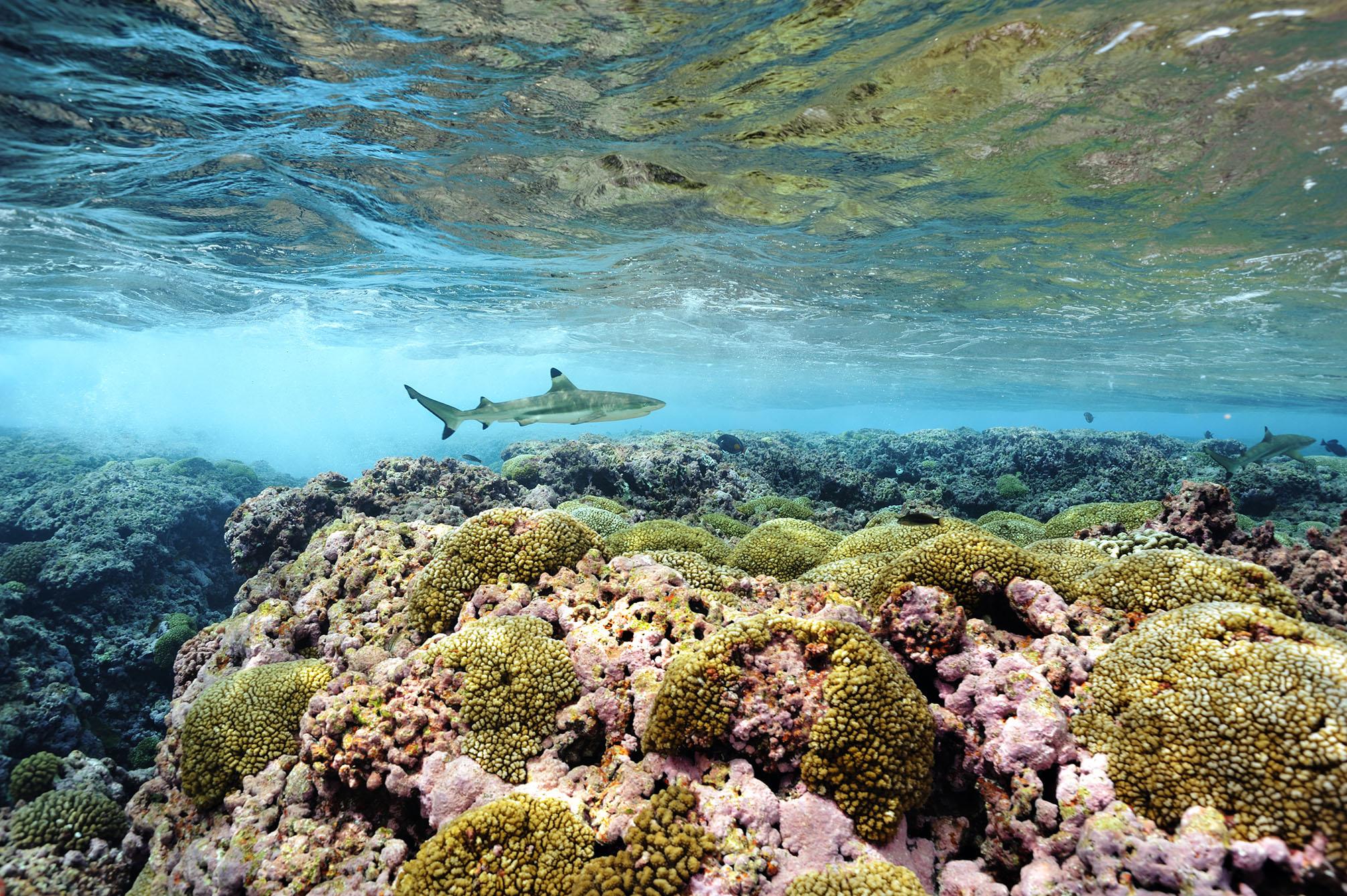
In a world increasingly challenged by environmental degradation and climate change, glimmers of hope are emerging from the depths of our oceans. Marine ecosystems, essential not only for the biodiversity they harbor but also for the livelihoods they support, are witnessing remarkable recovery and resilience thanks to concerted conservation efforts and innovative practices. This article explores a series of inspiring success stories that highlight the triumphs of marine conservation initiatives around the globe. From thriving coral reefs in the Caribbean to flourishing fish populations in overfished waters, these narratives underscore the potential for restoration and sustainability in our oceans. As scientists, communities, and policymakers come together to implement adaptive strategies, they offer invaluable lessons that not only benefit marine life but also reinforce the importance of preserving these vital ecosystems for future generations. Join us as we delve into the heartening tales of marine ecosystems thriving against the odds, illuminating the path forward for environmental stewardship in the 21st century.
Table of Contents
- Marine Biodiversity Rebounds: Case Studies of Successful Conservation Efforts
- Innovative Marine Protected Areas: Strategies for Long-Term Sustainability
- Community Engagement and Education: Empowering Local Stakeholders for Ecological Resilience
- Technological Advancements in Marine Research: Paving the Way for Future Successes
- Closing Remarks
Marine Biodiversity Rebounds: Case Studies of Successful Conservation Efforts
Recent efforts to safeguard marine life have borne fruit, showcasing the resilience of biodiversity in our oceans. In places like the Great Barrier Reef, targeted conservation strategies have led to a remarkable recovery of coral populations. Initiatives such as strict fishing regulations, marine protected areas, and the restoration of seagrass beds have revitalized local ecosystems, allowing marine species to thrive in their natural habitats. The collaboration between scientists, local communities, and stakeholders has been pivotal in implementing these measures, resulting in a visible increase in fish populations and coral cover.
Another notable success story comes from the Shark Sanctuary in Palau, where legislation has effectively banned shark fishing. This protective measure has not only helped stabilize shark populations but has also led to the return of diverse marine species that rely on sharks for maintaining ecological balance. The sanctuary has become a globally recognized model for shark conservation, inspiring similar initiatives worldwide. These remarkable achievements demonstrate how proactive, community-driven conservation efforts can lead to the thriving of marine ecosystems, encouraging a hopeful outlook for the future of our oceans.
Innovative Marine Protected Areas: Strategies for Long-Term Sustainability
Innovative strategies for establishing marine protected areas (MPAs) are crucial in ensuring the long-term health of our oceans and their ecosystems. These MPAs serve as sanctuaries for biodiversity, allowing marine life to regenerate and thrive. Some of the most effective strategies include:
- Community Engagement: Involving local communities in the design and management of MPAs has proven essential. This approach fosters stewardship and resilience, ensuring that those who rely on marine resources actively participate in conservation efforts.
- Adaptive Management: The implementation of adaptive management practices allows for the continual assessment and adjustment of MPA strategies in response to environmental changes and emerging threats.
- Integrated Approaches: Combining marine and coastal land management practices ensures a holistic protection strategy, addressing not only marine life but also coastal ecosystems that impact local fisheries and tourism.
Particularly inspiring success stories from around the globe highlight the effectiveness of well-planned MPAs. Notable examples include:
| Location | Strategy | Results |
|---|---|---|
| Great Barrier Reef, Australia | Collaborative management with Indigenous knowledge | Increased biodiversity and resilience against climate change |
| Palau | National Marine Sanctuary creation | Revitalization of fish populations and improved tourism |
| California, USA | Science-based network of MPAs | Dramatic recovery of key species, like sea otters and kelp forests |
Community Engagement and Education: Empowering Local Stakeholders for Ecological Resilience
Engaging local stakeholders in educational initiatives creates a foundation for sustainable practices within coastal communities. By providing resources and knowledge, these programs empower individuals to take active roles in protecting their marine environments. Local workshops, community clean-up events, and hands-on training sessions facilitate a culture of stewardship, allowing participants to:
- Understand marine biodiversity and its importance to ecosystem health.
- Learn about conservation techniques tailored to their specific habitats.
- Collaborate with scientists on monitoring and research projects.
- Advocate for environmentally friendly policies on local governance platforms.
Successful examples of community engagement underscore the impact of education in fostering ecological resilience. For instance, a recent initiative in a coastal town led to a significant increase in local participation in marine monitoring programs, resulting in improved awareness of declining fish populations. The table below illustrates how targeted educational actions can drive positive environmental outcomes:
| Action | Result |
|---|---|
| Community workshops on sustainable fishing | Reduction in overfishing by 30% |
| School-based marine education programs | Increased youth engagement in conservation by 50% |
| Monthly beach clean-up activities | Plastics removal increased by 75% |
Technological Advancements in Marine Research: Paving the Way for Future Successes
Recent innovations in marine technology have significantly impacted our understanding and conservation of oceanic environments. Underwater drones and autonomous vehicles are now enabling researchers to explore previously inaccessible regions of our oceans, providing invaluable data on marine biodiversity and ecosystem health. These cutting-edge tools facilitate the collection of high-resolution imagery and environmental samples, helping scientists track changes in marine habitats in real-time. This technological leap has also enhanced the ability to monitor the effects of climate change, pollution, and human activity on delicate ecosystems, ensuring timely responses to emerging threats.
In addition to advancements in exploration, data analytics and machine learning are transforming how we interpret vast amounts of marine data. By harnessing powerful algorithms, researchers can identify trends and patterns that were once impossible to discern, leading to more informed policy-making and conservation strategies. For instance, predictive models now allow scientists to forecast fish population dynamics, helping to regulate fisheries sustainably. The collaboration between technologists and marine biologists is paving the way for innovative solutions to combat environmental challenges, with the promise of healthier oceans for future generations. Here are some key technologies making waves in marine research:
- Remote sensing technologies for monitoring ocean temperature and chlorophyll levels.
- Genomic sequencing for understanding marine species’ adaptations.
- Smart buoys equipped with sensors to track ecological changes.
- Artificial intelligence for analyzing marine data and automating research processes.
Closing Remarks
As we reflect on the remarkable success stories from our oceans, it becomes clear that the resilience of marine ecosystems is a testament to the efficacy of collaborative conservation efforts. From revitalized coral reefs to flourishing fish populations, these achievements not only underscore the importance of protecting our marine environments but also inspire a collective commitment to sustainable practices. The lessons learned from these initiatives remind us that with determination, innovation, and cooperation, we can turn the tide against environmental degradation. As we move forward, it is imperative that we continue to support policies that prioritize the health of our oceans and embrace practices that safeguard their future. The stories highlighted in this article serve as a beacon of hope and a call to action for individuals, communities, and nations alike. Together, we can ensure that our marine ecosystems not only survive but thrive for generations to come.