


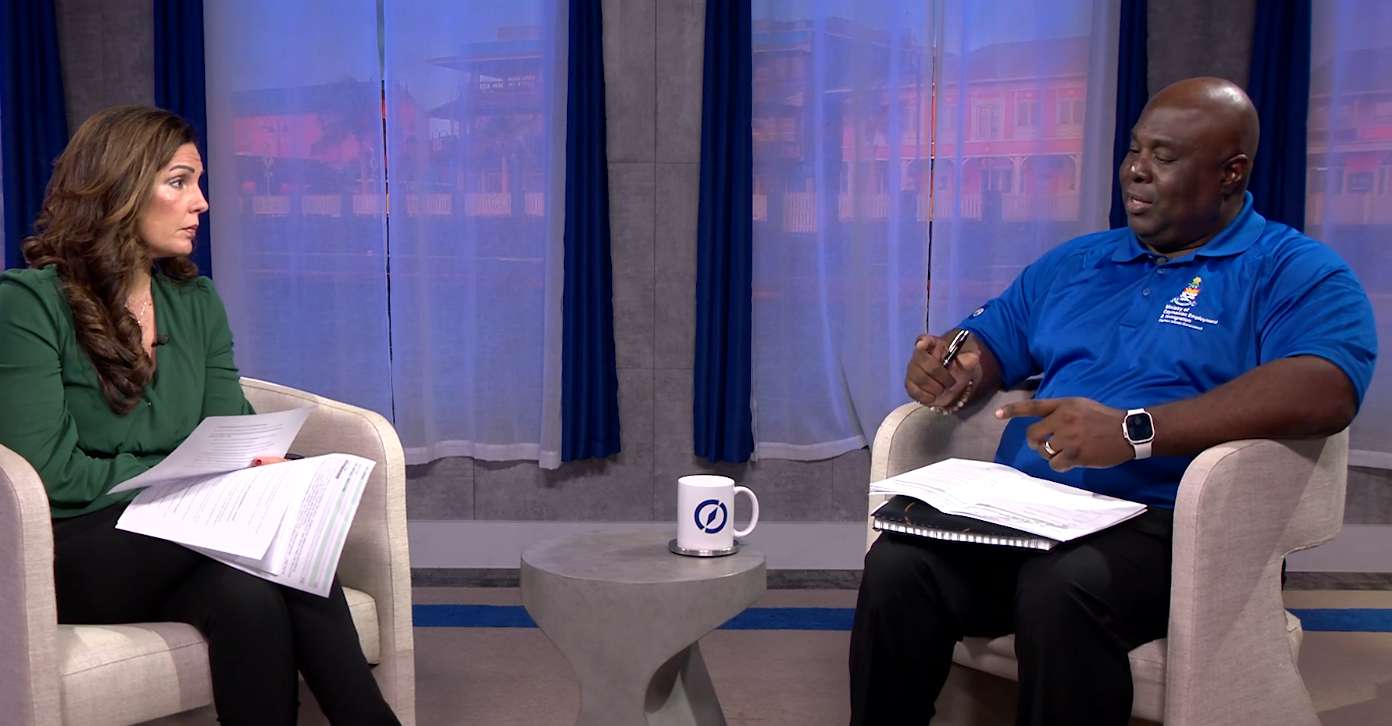
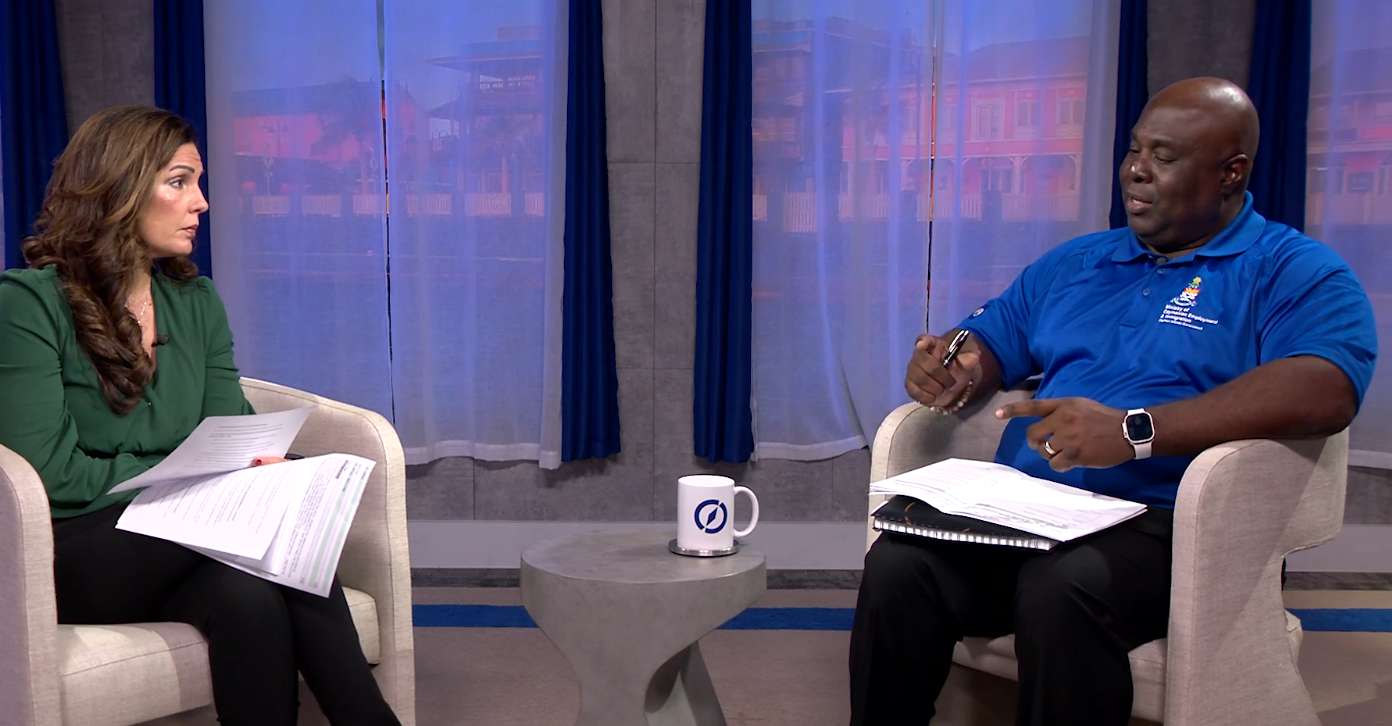
A sweeping reform bill passed by Parliament is just phase one of a wider overhaul of Cayman’s immigration system, according to Minister Michael Myles.
In an interview with CompassTV on Thursday, 18 Dec., Myles indicated that further changes are on the way, including a new national workforce development plan. An overhaul of the permanent residency points system is also in the pipeline.
He accepted that immigration changes alone would not be impactful and that improvements to education, training and workforce development were needed.
And he insisted the reforms, which include longer timelines for guest workers to get Cayman status and restrictions for work permit holders on switching jobs, would not make Cayman less competitive.
He believes the changes will actually make work permit processing more efficient. And he said the islands businesses would still be able to attract the talent they need.
“Immigration reform has always been about protecting our people … ensuring that Caymanians are prioritised,” he said.
“It’s never about denying people the opportunity to get the talent that they need. I want to make that [process] better.”
Myles confirmed 1 March 2026 as the implementation date for the new legislation, saying a two-month buffer was needed to train staff and get the new systems in place.
He said the coalition government was committed to ensuring Caymanians come first in the labour market and that government gets value for the $39 million it spends each year on tertiary education scholarships.
“Immigration by itself isn’t going to be impactful,” he said. “Immigration mixed with social management, education management, financial management, is going to be powerful, but immigration, by itself, is not going to actually do anything.”
Myles acknowledged some concern over the impact on the economy. But he characterised many of the changes as good for business.
He said the system was being clogged up with temporary work permit applications which was consuming time and burning out administrative staff.
Reforming that aspect of the system, he said, will enable much swifter processing times for full permits. And while he warned businesses they could no longer use such permits as a ‘probationary period’ for new staff, he said the pay-off would be a more efficient Workforce Opportunities and Residency Cayman department.
“We have to ensure that our business and certainly government [are] structured that when we lack the Cayman talent, they get that talent faster,” he said. “Because we have to ensure that all of our businesses are globally competitive, and no one has the time to wait a year or even months on talent to be allowed to come to the country.”
At the same time, Myles said the reforms are intended to protect the value of Caymanian status and that working in Cayman should not be treated as an automatic pathway to citizenship.
“We have more jobs than we have people and we love having that but the expectation of coming into the Cayman Islands cannot be that you automatically are given citizenship because you’re here … We need to protect our citizenship because every other nationality is also protecting theirs.”
Positioning the bill as a response to both public sentiment and long-term national priorities, Myles said further changes are already being prepared.
“This is really also just the first phase,” he said. “There’s a lot more phases … I already have a caucus paper teed up for January … to continue to further realign immigration with our government national priorities … to make sure that our culture is being sustained.”
He said enforcement will also be strengthened through new information-sharing rules, noting government has included “a caveat in this law that at least 15 departments … will be sharing information”.