


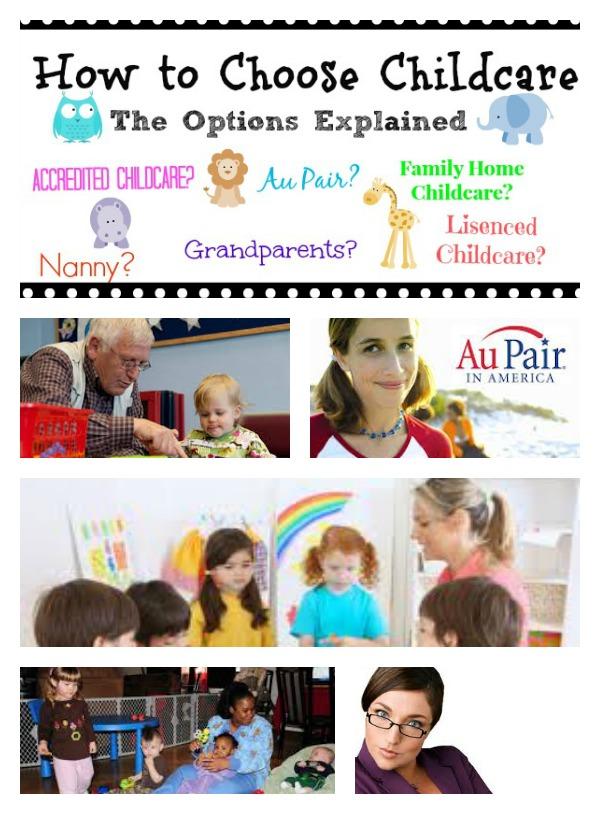
As families throughout the Caribbean embrace the complexities of modern life, the necessity for reliable and quality childcare has emerged as a pressing concern. With diverse cultures, economies, and educational frameworks influencing child-rearing practices, navigating the myriad of childcare options available across the region can be daunting for parents and guardians alike. From traditional family-based care to formal daycare centers and innovative early childhood education programs, each island presents unique offerings that reflect its distinct social fabric and community needs. This article aims to provide a comprehensive overview of the childcare landscape across the Caribbean Islands, highlighting the challenges, advantages, and emerging trends that parents must consider when seeking the best options for their children’s early development. By examining the intersection of local customs, regulatory frameworks, and economic factors, we hope to empower families with the knowledge they need to make informed decisions in a rapidly evolving environment.
Table of Contents
- Understanding the Diverse Childcare Landscapes in the Caribbean
- Evaluating Quality Standards in Caribbean Childcare Facilities
- Exploring Cultural Influences on Childcare Practices
- Practical Tips for Parents Choosing Childcare Across the Islands
- Insights and Conclusions
Understanding the Diverse Childcare Landscapes in the Caribbean
The Caribbean region showcases a rich tapestry of childcare options, influenced by cultural, economic, and governmental factors unique to each island. Parents seeking childcare services often encounter a variety of programs and institutions that cater to different age groups and educational philosophies. Common choices include:
- Family Childcare Homes: Often run by individuals in the community, these providers offer a home-like environment and personalized attention.
- Daycare Centers: Typically larger facilities that provide structured activities and learning experiences for toddlers and preschoolers.
- Preschools: Focused on early childhood education, preschools often follow specific curricula designed to prepare children for primary school.
- After-School Programs: Available for school-aged children, these programs provide enrichment and supervision in a safe setting.
It is essential to understand that regulatory frameworks governing childcare services vary significantly across the islands. For instance, some countries maintain stringent licensing requirements, while others may have more relaxed guidelines. This variance can impact the quality and accessibility of childcare options. The following table summarizes key features of childcare regulations across selected Caribbean nations:
| Country | Licensing Requirement | Age Groups Covered |
|---|---|---|
| Bermuda | Mandatory licensing for all centers | 0-12 years |
| Jamaica | Voluntary registration; mixed standards | 0-5 years |
| Barbados | Licensing required for full-day care | 0-12 years |
| Dominican Republic | Ministry approval recommended | 0-6 years |
Evaluating Quality Standards in Caribbean Childcare Facilities
Quality standards in Caribbean childcare facilities are crucial for ensuring the safety, development, and well-being of young children. Different islands have established varying benchmarks aimed at enhancing educational outcomes and maintaining health standards. Evaluating these quality standards involves not only adhering to local regulations but also integrating internationally recognized practices that foster an enriching environment. Key criteria often include:
- Staff Qualifications: Trained and licensed caregivers are essential in providing quality education and care.
- Child-to-Staff Ratio: A low ratio promotes better individual attention and support for each child.
- Curriculum and Activities: Facilities should offer diverse, age-appropriate learning experiences.
- Health and Safety Policies: Compliance with hygiene, nutrition, and emergency protocols ensures a safe environment.
Regular assessments provide a framework for improvement and accountability. The importance of transparency in the evaluation process cannot be overstated, as it builds trust among parents and communities. To visualize effectiveness in the region, the following table offers an overview of general quality indicators across select islands:
| Island | Staff-to-Child Ratio | Licensing Requirement | Quality Accreditation |
|---|---|---|---|
| Jamaica | 1:5 | Mandatory | Yes |
| Barbados | 1:4 | Mandatory | No |
| Trinidad & Tobago | 1:6 | Voluntary | Yes |
Exploring Cultural Influences on Childcare Practices
Childcare practices in the Caribbean are profoundly shaped by a tapestry of cultural traditions, beliefs, and social structures. Across the islands, families often rely on a blend of extended family networks and community support, creating a unique environment for child-rearing. Grandparents play a significant role in nurturing and upbringing, imparting not only their wisdom but also cultural values that shape a child’s identity. Additionally, local customs dictate various aspects of childcare, from dietary choices to language development, which can vary dramatically from island to island, reflecting the rich blend of indigenous, African, and European influences.
When assessing childcare options, families encounter a variety of practices that are deeply rooted in their cultural context. For instance, in some areas, traditional childcare emphasizes communal caregiving, where the responsibility of child-rearing is shared among extended family and neighbors. This approach fosters strong community ties and cultural continuity, allowing children to thrive within a supportive network. Conversely, urban centers might see an increasing trend towards formal daycare facilities, often influenced by Western practices. Understanding these diverse childcare methods can empower parents to make informed choices that align with their values and cultural heritage.
Practical Tips for Parents Choosing Childcare Across the Islands
Choosing the right childcare for your child can be a daunting task, especially when exploring the unique landscape across the Caribbean islands. To ease the process, it’s essential to consider several factors that may impact your decision. First, location is critical; ensure the facility is conveniently located near your home or workplace. Next, evaluate the licensing and accreditation of the childcare provider—these certifications often indicate a commitment to quality and safety. Additionally, take the time to understand the curriculum being offered; it should align with your child’s developmental needs and educational goals.
Furthermore, engage in conversations with other parents and local communities to gather insights and recommendations. You can also visit potential childcare centers to observe the environment and speak with caregivers. Look for centers that maintain a high staff-to-child ratio to ensure personalized attention for each child. Safety measures, such as secure premises and emergency policies, should also be a priority. To summarize, consider these essential pointers:
- Assess location and accessibility
- Verify licensing and accreditation
- Review the curriculum and developmental focus
- Gather parent feedback and community recommendations
- Observe caregiver interaction and safety protocols
Insights and Conclusions
navigating childcare options across the Caribbean islands requires careful consideration of various factors, including availability, quality, cultural values, and regulatory standards. As families explore the diverse landscapes and offerings of childcare services—from nanny shares to formal daycare centers—the importance of making informed choices cannot be overstated. Through comprehensive research and community engagement, parents can uncover the best environments to support their children’s growth and development. As the Caribbean continues to adapt and evolve in response to modern demands, the commitment to providing exceptional childcare will remain a pivotal aspect of nurturing future generations. We encourage families to take an active role in their local communities, sharing experiences and resources to enhance the childcare landscape for all.