


As the Caribbean emerges as a vibrant hub for innovation and entrepreneurship, many business leaders in the region are finding themselves grappling with a unique set of challenges. From navigating complex regulatory landscapes to securing financing in a competitive market, entrepreneurs face hurdles that can threaten their growth and sustainability. Despite the abundant natural resources and rich cultural heritage that characterize this beautiful region, the journey of establishing a successful venture is often fraught with obstacles influenced by economic, social, and political factors. This article delves into the multifaceted struggles faced by Caribbean entrepreneurs, highlighting their resilience and the innovative strategies they employ to overcome adversity in pursuit of success.
Table of Contents
- Understanding the Unique Economic Landscape of the Caribbean
- Identifying Common Challenges Faced by Caribbean Entrepreneurs
- Strategic Solutions for Overcoming Financial and Regulatory Obstacles
- Building a Supportive Ecosystem: Resources for Entrepreneurial Success
- The Conclusion
Understanding the Unique Economic Landscape of the Caribbean
The Caribbean region is characterized by its vibrant culture and natural beauty, but the economic landscape presents a complex web of challenges for entrepreneurs. Factors such as limited access to funding, high operational costs, and small market sizes can hinder business growth and innovation. Entrepreneurs often face an uphill battle when trying to scale their businesses due to these constraints. The tourism sector, despite being a primary economic driver, is highly seasonal and susceptible to global market fluctuations, which further complicates business planning and sustainability. Additionally, a heavy reliance on imports can lead to volatile price changes, challenging the profitability of local enterprises.
Moreover, government regulations and a lack of infrastructure can create barriers for startups trying to establish themselves in the market. Key issues such as bureaucratic delays and insufficient support services contribute to a challenging entrepreneurial environment. To illustrate these challenges more clearly, consider the following table that highlights the primary hurdles faced by entrepreneurs in the Caribbean:
| Challenge | Description |
|---|---|
| Access to Capital | Limited financing options and high-interest rates deter investment. |
| Market Size | Small population limits the growth potential of businesses. |
| Infrastructure Issues | Poor transportation and communication networks can hinder operations. |
| Bureaucracy | Lengthy permit processes delay business setup and operations. |
Identifying Common Challenges Faced by Caribbean Entrepreneurs
The Caribbean region is a vibrant tapestry of entrepreneurship, yet various hurdles threaten to stifle growth and innovation. Entrepreneurs often contend with limited access to financing, which can obstruct the launch and expansion of new businesses. Many financial institutions are hesitant to lend to startups due to perceived risks, leading entrepreneurs to seek alternative funding methods, often just as challenging. Furthermore, the high cost of doing business in the Caribbean, driven by import taxes and fees, can significantly eat into profit margins and discourage potential investors.
In addition to financial obstacles, many Caribbean entrepreneurs experience difficulties related to inadequate infrastructure. Poor road networks and unreliable internet access can hinder operations, affecting everything from shipping products to communicating with clients. Furthermore, navigating regulatory red tape adds another layer of complexity; entrepreneurs often face lengthy processes for permits and licenses, which can delay their business ventures. In a dynamic global economy, these challenges require resilience and adaptability from Caribbean entrepreneurs as they strive to create sustainable and successful businesses.
Strategic Solutions for Overcoming Financial and Regulatory Obstacles
To thrive in the Caribbean landscape, entrepreneurs must employ strategic approaches to navigate the complex web of financial and regulatory obstacles. Identifying key resources and aligning them with an entrepreneur’s specific business model is essential for fostering resilience. Successful businesses often adopt strategies such as:
- Leveraging local partnerships: Collaborating with established firms can provide valuable insights into regulatory compliance and financial management.
- Diversifying funding sources: Exploring a mix of local and international investors, grants, and crowdfunding opportunities can mitigate financial risks.
- Investing in financial literacy: Workshops and training programs can empower entrepreneurs with crucial knowledge to effectively manage resources and navigate regulations.
Another vital aspect of overcoming challenges is the adoption of technology to streamline operations and enhance transparency. Businesses can improve their compliance and bookkeeping processes by implementing software solutions designed for local regulations. Key technologies include:
| Technology | Benefit |
|---|---|
| Cloud Accounting Software | Offers real-time financial tracking and easy access to critical reports. |
| Compliance Management Tools | Simplifies the process of adhering to regulatory standards and deadlines. |
| Project Management Platforms | Enhances team collaboration and project tracking, thereby improving operational efficiency. |
Building a Supportive Ecosystem: Resources for Entrepreneurial Success
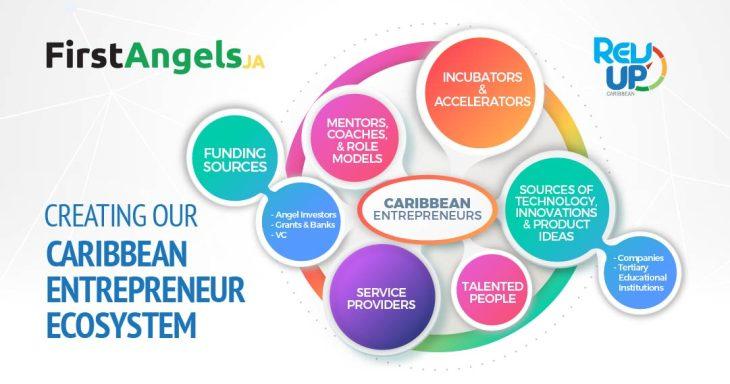
Entrepreneurs in the Caribbean often encounter a multitude of challenges, but a supportive ecosystem can significantly enhance their chances of success. Access to resources such as mentorship programs, networking events, and funding opportunities is crucial. Local incubators and accelerators provide critical guidance and support, helping budding entrepreneurs shape their business ideas into viable ventures. A few notable resources include:
- Caribbean Innovation Challenge: A competition aimed at harnessing innovative business ideas.
- Local Chamber of Commerce: Valuable networking and advocacy resources.
- Government Grants: Financial assistance for startups and small businesses.
- Nonprofit Business Support Organizations: Offer educational workshops and skill development.
Furthermore, the importance of collaboration cannot be overstated. Building alliances with other businesses and professionals fosters an environment where knowledge and resources can be shared. Entrepreneurs are encouraged to engage in the wider community by participating in forums and events that encourage collaboration. The table below highlights key organizations that contribute to entrepreneurial development in the region:
| Organization | Focus Area | Services Offered |
|---|---|---|
| Caribbean Export Development Agency | Export Promotion | Market research and trade missions |
| Innovate Caribbean | Startup Acceleration | Mentorship and funding access |
| Small Business Development Center | Small Business Support | Training and advisory services |
The Conclusion
the entrepreneurial landscape in the Caribbean is a complex tapestry woven with both rich potential and significant challenges. As demonstrated throughout our exploration of the hurdles faced by businesses in this vibrant region, entrepreneurs must navigate a myriad of obstacles ranging from financial constraints and infrastructural inadequacies to regulatory hurdles and market accessibility. However, the resilience and innovation exhibited by Caribbean entrepreneurs continue to inspire hope for sustainable growth and economic development.
Addressing these challenges requires a collaborative effort among governments, private sectors, and international partners to create a more conducive environment for business. By fostering policies that support entrepreneurship, investing in infrastructure, and enhancing access to funding, stakeholders can help unlock the immense potential that lies within the Caribbean. As we move forward, it is essential to recognize that the future of entrepreneurship in this region will depend on the collective commitment to overcoming obstacles, driving innovation, and creating a thriving ecosystem for the next generation of business leaders.