


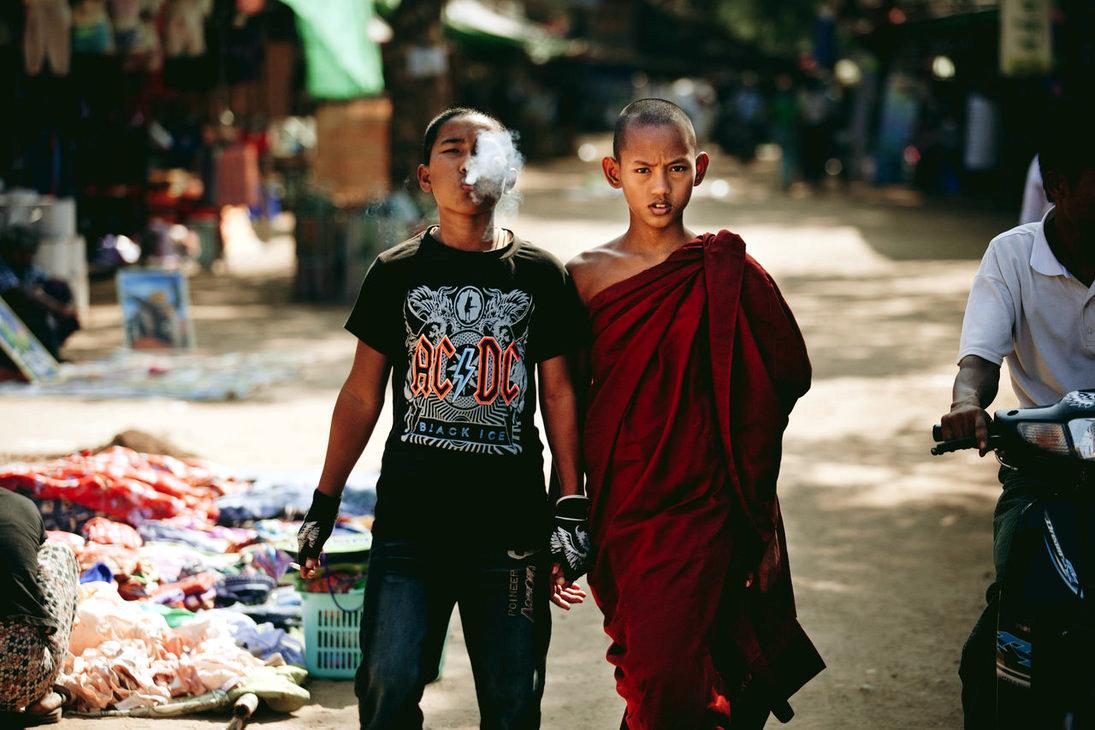
In the vibrant tapestry of Caribbean life, a unique dance unfolds between the old and the new, tradition and innovation. From the sun-kissed shores of Jamaica to the bustling streets of Trinidad and Tobago, the region embodies a rich heritage steeped in history while simultaneously embracing the winds of modernity. As the digital age transforms how we work, communicate, and experience the world, Caribbean communities find themselves at a crossroads—balancing the cherished customs of their ancestors with the demands and opportunities of contemporary life. This article explores the intriguing interplay of modernity and tradition in Caribbean living, highlighting how individuals and communities navigate this complex landscape. Join us as we delve into stories of resilience, cultural expression, and the ever-evolving identity that defines the Caribbean today.
Table of Contents
- Exploring the Tensions Between Cultural Heritage and Contemporary Lifestyles
- Adapting Traditional Practices in a Modern Context
- Promoting Sustainable Development While Honoring Ancestral Roots
- Building Community Connections Through Shared Traditions and Modern Innovations
- In Retrospect
Exploring the Tensions Between Cultural Heritage and Contemporary Lifestyles
The Caribbean, a vibrant tapestry woven from diverse cultural threads, faces a unique challenge in balancing its rich heritage with the demands of contemporary living. As urbanization continues to surge, traditional practices and art forms find themselves at a crossroads. This often leads to a clash between the preservation of historical identities and the allure of modern conveniences. Many communities experience a gradual shift where younger generations gravitate towards contemporary lifestyles, leaving behind the time-honored customs that their ancestors cherished.
At the heart of this tension lies the question of sustainability. As cities evolve, the need arises for innovative solutions that respect the region’s legacy while catering to modern needs. Key aspects are emerging that could bridge this gap:
- Educational Initiatives: Workshops and programs teaching traditional crafts.
- Community Festivals: Celebrating local heritage through art, music, and cuisine.
- Collaborative Projects: Partnerships between artists and entrepreneurs to fuse old traditions with contemporary designs.
Adapting Traditional Practices in a Modern Context
In the vibrant tapestry of Caribbean culture, traditional practices serve as the threads that connect generations and shape identities. However, as society evolves, the challenge lies in finding ways to adapt these age-old customs to fit the realities of modern life. One approach involves integrating local ingredients and sustainable techniques into contemporary culinary practices, marrying the flavors of the past with today’s health-conscious trends. This adaptation not only honors the resilience of Caribbean heritage but also enhances the nutritional value of dishes, creating a delightful fusion that appeals to a diverse audience.
Moreover, traditional crafts such as weaving, pottery, and music can be reimagined through the lens of innovation. By embracing digital platforms and marketing strategies, artisans can reach wider audiences, transforming their work into viable sources of income while preserving cultural significance. Incorporating workshops and community engagement can also bridge the gap between old and new, fostering a deeper appreciation of heritage. For instance, offering online tutorials for traditional dance or hosting virtual art shows can invite enthusiastic participation from both local and global communities, creating a dynamic dialogue that celebrates Caribbean traditions in a modern context.
Promoting Sustainable Development While Honoring Ancestral Roots
In the vibrant tapestry of Caribbean life, the challenge lies in weaving together contemporary practices with age-old traditions that have shaped the community’s identity. An emphasis on sustainable development can go hand-in-hand with preserving cultural heritage. This dual focus can manifest in various ways:
- Incorporating local materials in construction to maintain an architectural style that reflects ancestral practices.
- Encouraging traditional agricultural techniques that promote biodiversity while providing food security.
- Promoting eco-tourism that not only conserves natural resources but also respects and showcases indigenous cultures.
To further enhance these initiatives, communities can adopt educational programs centered around cultural heritage and environmental stewardship. By fostering an understanding of the interlinked nature of these elements, residents can be advocates for policies that support both sustainability and tradition. Below is a simple representation of how community engagement can be structured:
| Area of Engagement | Action Steps | Potential Impact |
|---|---|---|
| Education | Workshops on traditional crafts | Increased appreciation for local arts |
| Community Gardens | Collaborative planting days | Enhanced food security and community bonding |
| Local Cuisine | Farm-to-table events | Support of local farmers and health awareness |
Building Community Connections Through Shared Traditions and Modern Innovations
In the Caribbean, community bonds often hinge on the rich tapestry of shared traditions. These age-old customs serve as the foundation for social interactions and create an environment where individuals feel valued and connected. Celebrations such as Carnival, Junkanoo, and various local festivals bring people together, fostering a spirit of camaraderie. As modern innovations have infiltrated daily life, they complement these traditions rather than replace them, enhancing how communities participate in cultural expressions.
Furthermore, leveraging technology has opened up new avenues for community engagement. Social media, for instance, plays a crucial role in organizing events, sharing local stories, and promoting businesses that embody traditional crafts. Many residents have embraced digital platforms to highlight their unique heritage while simultaneously integrating modern communication tools to reach a broader audience. This synergy can be illustrated by:
| Tradition | Modern Innovation |
|---|---|
| Traditional Crafts | Online Marketplaces |
| Festival Celebrations | Live Streaming Events |
| Cultural Education | Virtual Workshops |
By blending the past with the present, Caribbean communities are not only preserving their identity but also adapting to the ever-changing landscape of modern life. This dynamic interplay empowers residents to maintain a sense of belonging while navigating the complexities of contemporary existence.
In Retrospect
navigating the delicate balance between modernity and tradition in Caribbean living is a journey that reflects the vibrant tapestry of the region’s culture. As we have explored, the intersection of old and new offers both challenges and opportunities for individuals and communities alike. Embracing technological advancements while honoring ancestral customs allows for a richer, more nuanced existence that celebrates diversity and resilience.
As Caribbean societies continue to evolve, it’s essential to engage in dialogue about how to preserve cultural heritage while adapting to the realities of a rapidly changing world. Whether through community initiatives, personal choices, or broader societal shifts, the path forward lies in finding harmony between these often conflicting forces.
In navigating this landscape, we invite you to share your own experiences and perspectives. How do you see the interplay of modernity and tradition in your life or community? Let’s continue the conversation and explore how we can collectively honor our past while embracing the future. Thank you for joining us on this exploration of Caribbean living; we look forward to hearing your thoughts!