


New Tourism Initiatives Set to Strengthen Caribbean Economy
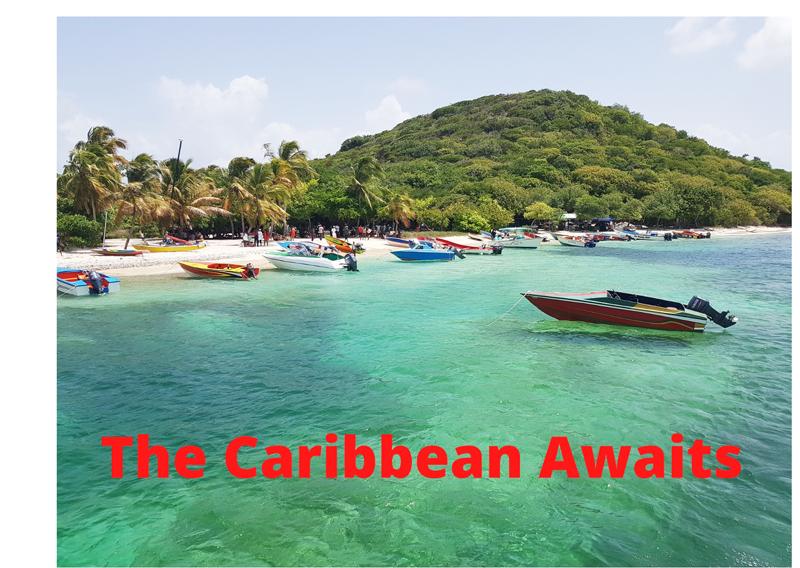
As the world gradually emerges from the shadows of the COVID-19 pandemic, the Caribbean region is taking bold strides to revitalize its tourism sector, a cornerstone of its economy. Recognizing the need for innovation and resilience in a rapidly changing travel landscape, policymakers and industry leaders are rolling out a series of new initiatives aimed at enhancing visitor experiences while ensuring sustainable economic growth. From eco-tourism projects that highlight the islands’ natural beauty to cultural festivals that celebrate local heritage, these initiatives seek to attract not only tourists but also investment and sustainable practices that benefit local communities. This article explores the latest developments in Caribbean tourism and their potential impact on the region’s economy as it seeks to chart a course for the future.
Table of Contents
- Emerging Eco-Tourism Ventures and Their Economic Impact on the Caribbean
- Cultural Heritage Programs: Leveraging Local Traditions for Sustainable Growth
- Digital Transformation in Tourism: Enhancing Visitor Experience and Operational Efficiency
- Strategic Partnerships: Collaborating with Global Brands to Boost Caribbean Appeal
- In Summary
Emerging Eco-Tourism Ventures and Their Economic Impact on the Caribbean
The Caribbean is witnessing a remarkable shift in its tourism landscape, with emerging eco-tourism ventures leading the way in establishing a sustainable economy. By promoting unique travel experiences that emphasize environmental conservation and cultural appreciation, these initiatives not only attract eco-conscious travelers but also provide vital economic benefits to local communities. Some of the innovative projects include:
- Community-led Conservation Programs: These programs involve local residents in preserving natural resources, enhancing both awareness and involvement.
- Eco-Lodges and Green Accommodations: These facilities utilize renewable energy and sustainable practices, reducing their carbon footprint while offering travelers an authentic experience.
- Adventure Activities: Initiatives focusing on hiking, bird-watching, and diving encourage tourists to engage with nature responsibly.
The economic impact of these ventures extends beyond immediate financial gains. By fostering sustainable practices, they nurture long-term job opportunities and stimulate local economies. For instance, educational workshops and training programs provide locals with skills necessary to participate in eco-tourism, ensuring that economic benefits are distributed equitably. Below is a simplified overview of the potential economic benefits:
| Benefit | Description |
|---|---|
| Job Creation | New employment opportunities in eco-lodging, guiding services, and conservation roles. |
| Community Development | Increased investment in local infrastructure and services, benefiting residents. |
| Environmental Awareness | Heightened understanding of sustainability practices among locals and visitors. |
Cultural Heritage Programs: Leveraging Local Traditions for Sustainable Growth
As Caribbean nations look to boost their economies, embracing local traditions and cultural heritage has emerged as a dynamic strategy to attract sustainable tourism. By showcasing unique art forms, festivals, and culinary experiences, these initiatives position local communities at the forefront of tourism development. This approach fosters authentic interactions between visitors and locals, allowing tourists to experience the vibrant tapestry of Caribbean life while generating revenue that directly benefits those communities. Local artisans, musicians, and chefs are now being empowered not just to preserve their traditions, but to turn them into thriving businesses that contribute to economic resilience.
Successful cultural heritage programs entail a collaborative effort among various stakeholders, including government bodies, tourism boards, and local communities. These partnerships focus on creating enriching experiences such as heritage trails, cultural workshops, and interactive performances. For example, tourists can participate in traditional cooking classes that highlight indigenous ingredients or join in local dance festivals that celebrate historical narratives. The table below illustrates a few innovative programs that have been launched across the Caribbean:
| Program Name | Description | Location |
|---|---|---|
| Island Flavors | Local chefs conduct hands-on cooking classes featuring traditional dishes. | Jamaica |
| Cultural Roots Festival | An annual event showcasing music, dance, and art from various Caribbean cultures. | Barbados |
| Heritage Trail Tours | Guided tours of historical sites infused with storytelling and local lore. | Dominican Republic |
Digital Transformation in Tourism: Enhancing Visitor Experience and Operational Efficiency
The Caribbean tourism sector is undergoing a significant shift as digital transformation plays a pivotal role in redefining the visitor experience. By leveraging cutting-edge technologies such as Artificial Intelligence (AI) and Augmented Reality (AR), tourism operators are delivering personalized experiences that resonate with travelers. Enhanced mobile applications enable visitors to access real-time information, making it easier to explore attractions, book accommodations, and engage in local activities. This tech-driven approach not only creates memorable experiences but also builds a deeper connection between the tourists and the cultural heritage of the region.
Moreover, the integration of digital tools in operational processes is streamlining workflows and maximizing efficiency. Destination management organizations are utilizing data analytics to monitor traveler behavior and preferences, allowing for data-driven decision-making that enhances marketing efforts and service offerings. Key initiatives include:
- Contactless Check-In/Out: Reducing wait times and improving guest comfort.
- Smart Destination Platforms: Centralizing tourist information and enabling easy access to services.
- Sustainable Practices: Implementing eco-friendly technologies to attract environmentally-conscious travelers.
| Technology | Benefits for Tourism |
|---|---|
| AI Chatbots | 24/7 customer support and assistance. |
| AR Experiences | Interactive engagement with local culture and history. |
| Data Analytics | Informed strategic planning and tailored services. |
Strategic Partnerships: Collaborating with Global Brands to Boost Caribbean Appeal
In recent efforts to enhance the Caribbean’s allure as a premier tourism destination, strategic collaborations with leading global brands have emerged as a cornerstone of revitalization initiatives. By harnessing the strength and reach of these established entities, local economies can gain significant traction in attracting a wider audience. Notable partnerships include:
- Hospitality Alliances: Collaborating with top-tier hotel chains to offer unique stay packages that highlight local culture.
- Travel Technology Partnerships: Engaging with tech companies to improve travel platforms and enhance tourist experiences through apps and services.
- Food and Beverage Collaborations: Working with renowned chefs and beverage brands to promote island cuisine at international food festivals.
Such alliances not only elevate the visibility of Caribbean offerings but also facilitate knowledge exchange, helping local businesses innovate and adapt to modern tourism demands. A recent initiative includes a partnership with a major airline to create exclusive flight deals tied to local events, greatly encouraging travel to the islands. Below is a snapshot of recent collaborative ventures:
| Partnership Type | Brand Involved | Impact |
|---|---|---|
| Hotel Chain Collaboration | Marriott | Increased bookings by 30% during peak season. |
| Technology Enhancement | Travelocity | Enhanced online visibility and booking ease. |
| Culinary Promotion | Chef José Andrés | Featured Caribbean cuisine in international media. |
In Summary
the recent tourism initiatives aimed at bolstering the Caribbean economy reflect a strategic response to the evolving landscape of global travel. By embracing sustainable practices, enhancing digital engagement, and promoting cultural heritage, Caribbean nations are not only positioning themselves as premier travel destinations but are also laying a foundation for long-term economic resilience. As these initiatives unfold, continued collaboration among stakeholders—governments, local communities, and private enterprises—will be crucial in ensuring that the benefits of tourism are shared equitably. With its rich diversity and vibrant cultures, the Caribbean stands at a pivotal moment, ready to welcome visitors while fostering sustainable growth that supports its communities for generations to come. As we look ahead, the commitment to innovative tourism strategies will undoubtedly play a vital role in shaping the region’s economic future.