


The Caribbean region, renowned for its stunning landscapes, vibrant cultures, and rich biodiversity, is often referred to as paradise on Earth. However, beneath its breathtaking surface lies a complex web of environmental challenges threatening to disrupt its natural beauty and ecological balance. From rising sea levels and climate change to habitat destruction and pollution, the Caribbean faces a multitude of threats that necessitate immediate attention and action. Fortunately, a host of international organizations are stepping up to the plate, piloting crucial conservation efforts aimed at safeguarding this idyllic region for future generations. In this article, we will delve into the vital role these organizations play in Caribbean conservation, exploring their initiatives, partnerships, and the innovative strategies they employ to protect the delicate ecosystems that make the Caribbean a true paradise. Join us as we uncover how global collaboration is driving positive change and ensuring that the enchantment of the Caribbean endures amidst the challenges it faces.
Table of Contents
- Understanding the Role of International Organizations in Caribbean Ecosystem Protection
- Innovative Conservation Strategies: Success Stories from the Region
- Challenges Facing Caribbean Biodiversity and the Path Forward
- Building Partnerships: Collaborative Approaches to Sustainable Development in the Caribbean
- In Summary
Understanding the Role of International Organizations in Caribbean Ecosystem Protection
International organizations play a pivotal role in the protection of the Caribbean’s rich and diverse ecosystems. By providing financial resources, technical expertise, and policy guidance, these entities help Caribbean nations implement sustainable practices aimed at preserving their natural beauty and biodiversity. Key initiatives often focus on projects such as habitat restoration, pollution control, and the establishment of protected marine areas. The collaborative efforts fostered by these organizations empower local communities, enabling them to actively engage in conservation efforts while also reaping the benefits of eco-tourism and sustainable fishing.
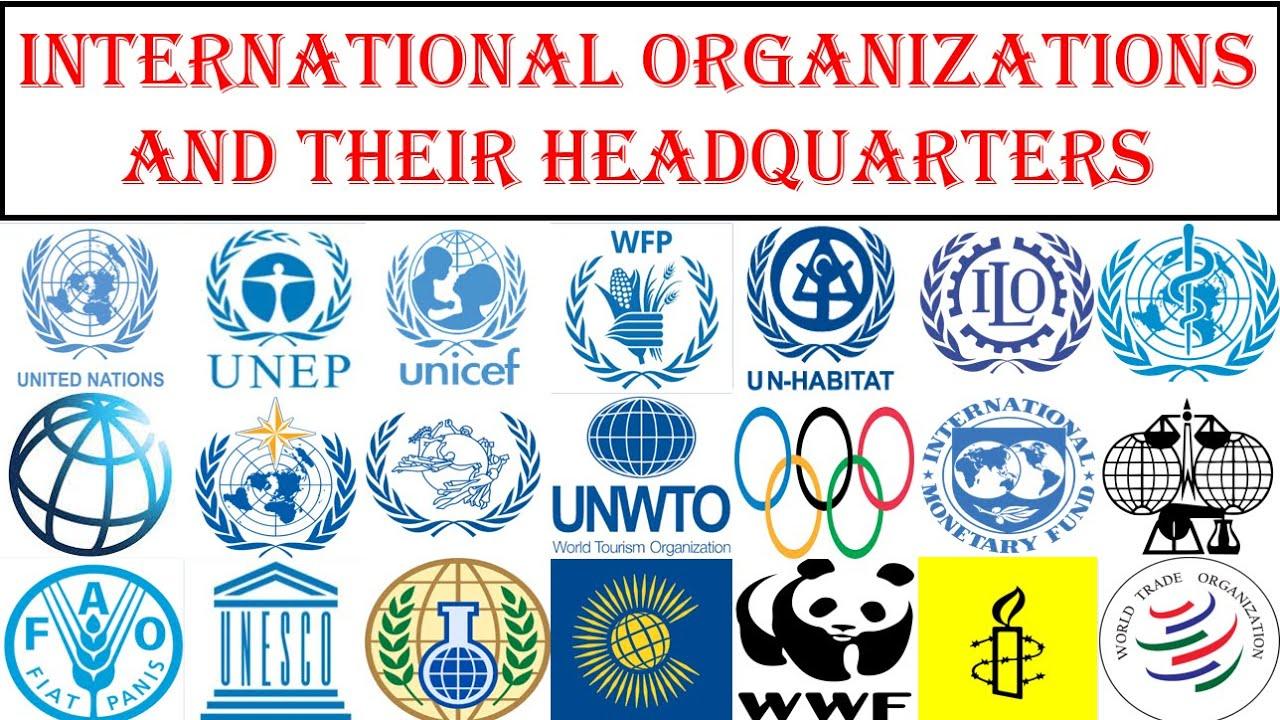
Moreover, international organizations serve as vital advocates for the Caribbean on the global stage, raising awareness about the unique challenges the region faces, such as climate change and overfishing. These challenges threaten not only the delicate ecosystems but also the economies that depend on them. Through data collection, research, and capacity-building programs, organizations like the United Nations Environment Programme (UNEP) and the Caribbean Community (CARICOM) strive to create actionable strategies. Their comprehensive approaches often include:
- Climate Resilience Building – Developing frameworks to help communities adapt to a changing climate.
- Policy Integration – Ensuring conservation efforts are braided into wider national policies.
- Capacity Development – Training local stakeholders in sustainable practices.
| Organization | Focus Area | Notable Contribution |
|---|---|---|
| UNEP | Marine Conservation | Implementation of the Caribbean Environment Program |
| CARICOM | Climate Action | Promotion of the regional sustainable development strategy |
| World Wildlife Fund (WWF) | Biodiversity Protection | Support for endangered species recovery programs |
Innovative Conservation Strategies: Success Stories from the Region
The Caribbean region has seen remarkable achievements in its conservation endeavors, showcasing a variety of innovative strategies that not only address ecological challenges but also empower local communities. For instance, the implementation of community-led marine protected areas (MPAs) has proven to be a game-changer. By engaging local fishers and stakeholders in the management of these areas, communities have seen a boost in fish populations and biodiversity. The success of the Beaches to Biomes initiative in Jamaica exemplifies this approach, where locals participate in monitoring ecosystems, leading to enhanced awareness and stewardship of their natural resources.
Another noteworthy strategy is the use of technology in conservation efforts. Drone technology has revolutionized wildlife monitoring, providing precise data that helps in tracking species and assessing habitat conditions. Collaborations with international organizations have enabled the Caribbean to adopt tools like satellite imaging for deforestation tracking and habitat mapping. Furthermore, initiatives such as the Coral Restoration Network are employing biotechnological methods to enhance coral resilience to climate change, allowing for quicker recovery of vital reef systems. The synergy between local knowledge and advanced technology is paving the way for a more sustainable future in Caribbean conservation.
Challenges Facing Caribbean Biodiversity and the Path Forward
Caribbean biodiversity is severely threatened by a multitude of factors that challenge the health of its unique ecosystems. Among these pivotal challenges are:
- Climate Change: Rising sea levels and increasing temperatures disrupt marine and terrestrial habitats.
- Habitat Loss: Urban development and agriculture encroach upon vital ecosystems, leading to fragmentation.
- Invasive Species: Non-native plants and animals outcompete local species, often resulting in their decline.
- Pollution: Coastal waters polluted by plastics and chemicals threaten marine life and coral reefs.
Confronting these challenges requires robust collaborative efforts among international organizations and local stakeholders, focusing on sustainable practices. Key strategies for moving forward include:
- Strengthening Legislation: Implementing and enforcing stricter environmental protection laws.
- Community Engagement: Involving local communities in conservation initiatives to ensure sustainable resource use.
- Research and Monitoring: Establishing comprehensive data collection to monitor biodiversity changes and ecosystem health.
Building Partnerships: Collaborative Approaches to Sustainable Development in the Caribbean
The Caribbean is home to some of the world’s most exquisite natural resources, but these treasures face numerous threats from climate change, overfishing, and tourism pressures. International organizations play a pivotal role in fostering collaborative initiatives that emphasize conservation while promoting sustainable development. By uniting local governments, NGOs, and community stakeholders, these partnerships create a robust framework for recognizing and addressing the unique environmental challenges of the region. Each entity brings distinctive strengths and knowledge, facilitating the sharing of best practices and innovative solutions tailored to local needs.
One prominent example is the Caribbean Biodiversity Fund, which strives to strengthen the resilience of marine ecosystems and promote sustainable livelihoods. This initiative involves a diverse range of partners, including local communities and global conservation groups. Key areas of focus include:
- Capacity Building: Providing training and resources for community members to engage in conservation.
- Research Collaboration: Conducting joint studies to monitor biodiversity and environmental health.
- Funding Opportunities: Offering financial support for local projects that aim to protect ecosystems.
Such partnerships bring about sustainable solutions that benefit both the environment and the economy. By pooling knowledge and resources, international organizations and local actors can effectively navigate the complexities of conservation. The result is a cohesive strategy that not only protects the region’s natural beauty but also fosters socio-economic development, ensuring that future generations can cherish the Caribbean’s paradise.
In Summary
the Caribbean stands at a crossroads, where natural beauty and biodiversity must be balanced against the pressing challenges of climate change, tourism, and development. The concerted efforts of international organizations in conservation are vital for safeguarding this region’s unique ecosystems and vibrant cultures. By fostering collaboration among local communities, governments, and NGOs, these organizations are not just protecting a paradise for today, but ensuring its survival for generations to come.
As stewards of environmental integrity, we each have a role to play. Whether through supporting sustainable tourism initiatives, participating in conservation programs, or simply spreading awareness about the importance of preserving our natural heritage, every action counts. Together, we can contribute to a more sustainable future for the Caribbean—a future where both people and nature thrive in harmony. Let’s continue to champion the cause of conservation and work hand-in-hand with international organizations to protect this irreplaceable treasure we call paradise.